Fuel grades confuse more drivers than they probably should. The labels look simple enough at the pump, but once people hear words like premium, recommended, required, and better for your engine, the whole thing gets muddled fast. That is when drivers start paying extra out of habit or trying to save money without really knowing what their car was built to use.
Premium is not automatically the best fuel. It is only the best fuel for the engines that were designed around it.
1. What Those Numbers at the Pump Are Really Telling You
The number on the pump is the octane rating. It does not mean the fuel is cleaner, stronger, or more energy-dense. It tells you how resistant the fuel is to pre-ignition and knocking under pressure and heat.
That is important because some engines run higher compression or more turbo boost than others. Those engines need fuel that can handle that extra stress without igniting too early. If the engine was built for that higher octane, premium fuel has a real purpose. If it was not, paying more does not suddenly create extra benefits.
2. When Premium Fuel Is Actually Required
If the owner’s manual says premium fuel is required, that is the answer. The engine was engineered to run on higher-octane fuel, and using lower-octane fuel will reduce performance and increase the risk of knock before the computer steps in to protect the engine.
Some vehicles say premium is recommended instead of required. That wording is where people get tripped up. Recommended usually means the engine can adjust to regular fuel, but it may give up some power, smoothness, or efficiency to do it. In that case, premium is not a gimmick. It is just the fuel that lets the engine operate closer to the way it was intended.
3. Why Premium Fuel Is Not Better for Every Car
This is probably the biggest misunderstanding. A car designed for 87 octane will not suddenly become faster, healthier, or more refined just because you fill it with premium. If the engine cannot take advantage of the higher octane, then premium is mostly just costing you more every time you visit the pump.
A lot of drivers assume that premium must be better because of the name. It sounds like an upgrade. In practice, it only helps when the engine calibration and design call for it. For many daily drivers, regular fuel is exactly what the vehicle needs and nothing more.
4. What Drivers Usually Get Wrong About Fuel Grades
Some fuel myths hang around for years because they sound believable. A few come up all the time:
- Premium fuel does not clean your engine just because it costs more.
- Premium fuel does not add horsepower to a car built for regular fuel.
- Regular fuel is not automatically harmful when the manual lists it as the correct grade.
- An engine that requires premium gas won't be happy to be experimented on just to save a few dollars.
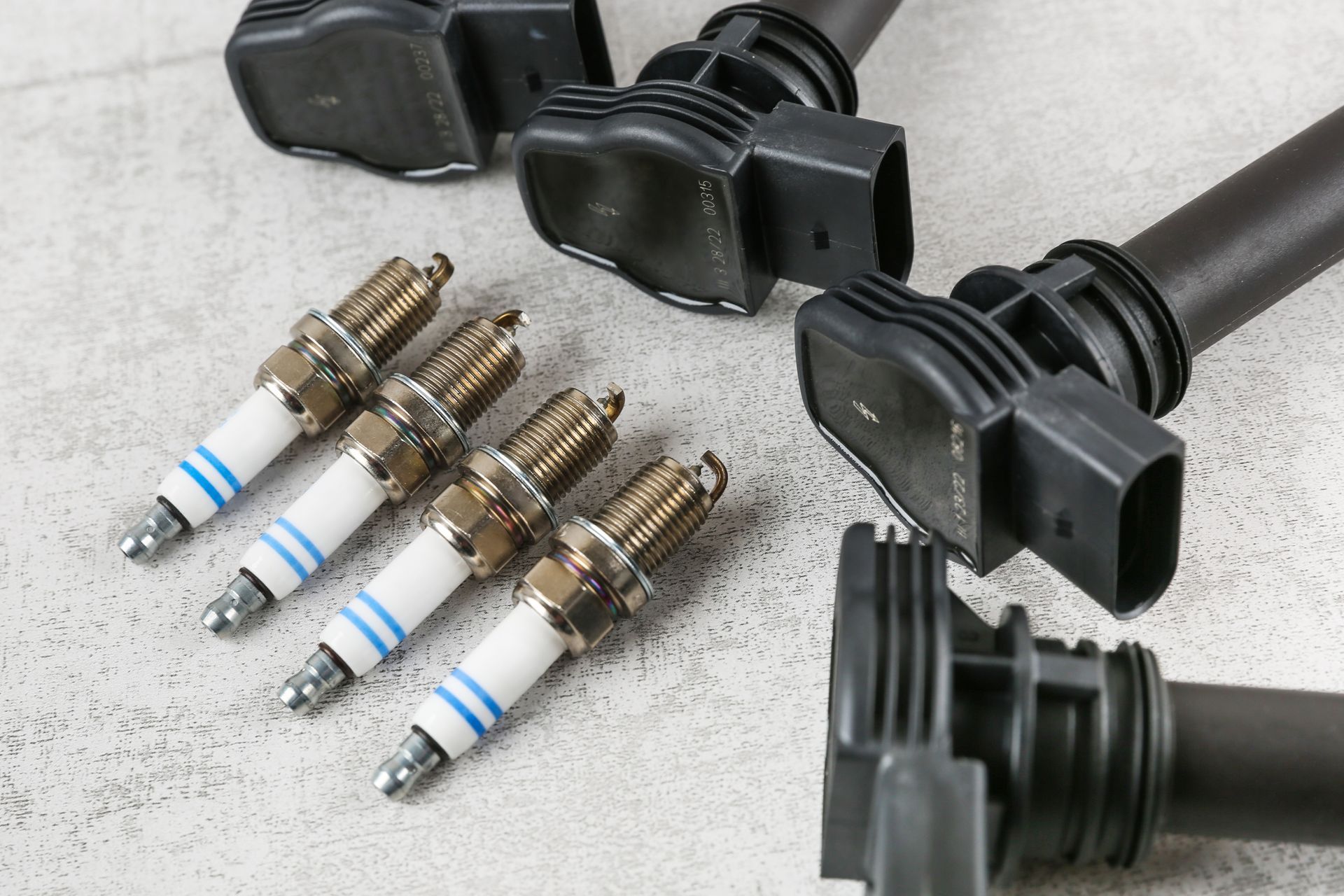
This is where regular maintenance becomes more important than fuel myths. Spark plug condition, carbon buildup, fuel system health, and software calibration all affect how an engine performs. The right fuel helps, but it does not replace basic upkeep.
5. How to Know What Fuel Your Car Should Get
The best answer is not at the pump or in the comment section online. It is in the owner’s manual or on the fuel door. If the car calls for regular gas, use regular. If it calls for premium gas, use premium. If it says premium is recommended, then you should decide with a clear understanding that the car may run on regular, but not necessarily with the same response or efficiency.
If the vehicle has been hesitating, knocking, losing power, or feeling less responsive than it should, an inspection is a smart next step. Sometimes the issue is fuel grade. Sometimes the fuel just gets blamed for a separate engine performance problem that needs proper diagnosis.
Get Fuel System And Engine Performance Inspection In Belmont, NC, With TRC Automotive
If you are not sure whether your vehicle really needs premium fuel or you have noticed performance changes that may be tied to fuel grade, TRC Automotive in Belmont, NC, can help you sort out what your engine actually needs and whether something else is affecting how it runs.
Bring it in and get clear answers before fuel myths cost you more than they should.