Why Does My Car Shake When I Hit the Brakes

December 19, 2025

You are cruising along, everything feels normal, and then you step on the brakes. The steering wheel starts to shake, the pedal pulses under your foot, or the whole car feels like it is shuddering to a stop. Once you feel it, you tend to notice it every time. That shake is your brake system asking for attention, and it is usually easier to fix when you catch it early.


Why Brake Vibration Shows Up Most at Higher Speeds


Brake shake usually shows itself when you slow down from highway speeds. At 35 mph you might not feel much, but at 60 mph the vibration suddenly feels strong. That is because any small unevenness in the brake system gets multiplied as the wheels spin faster.


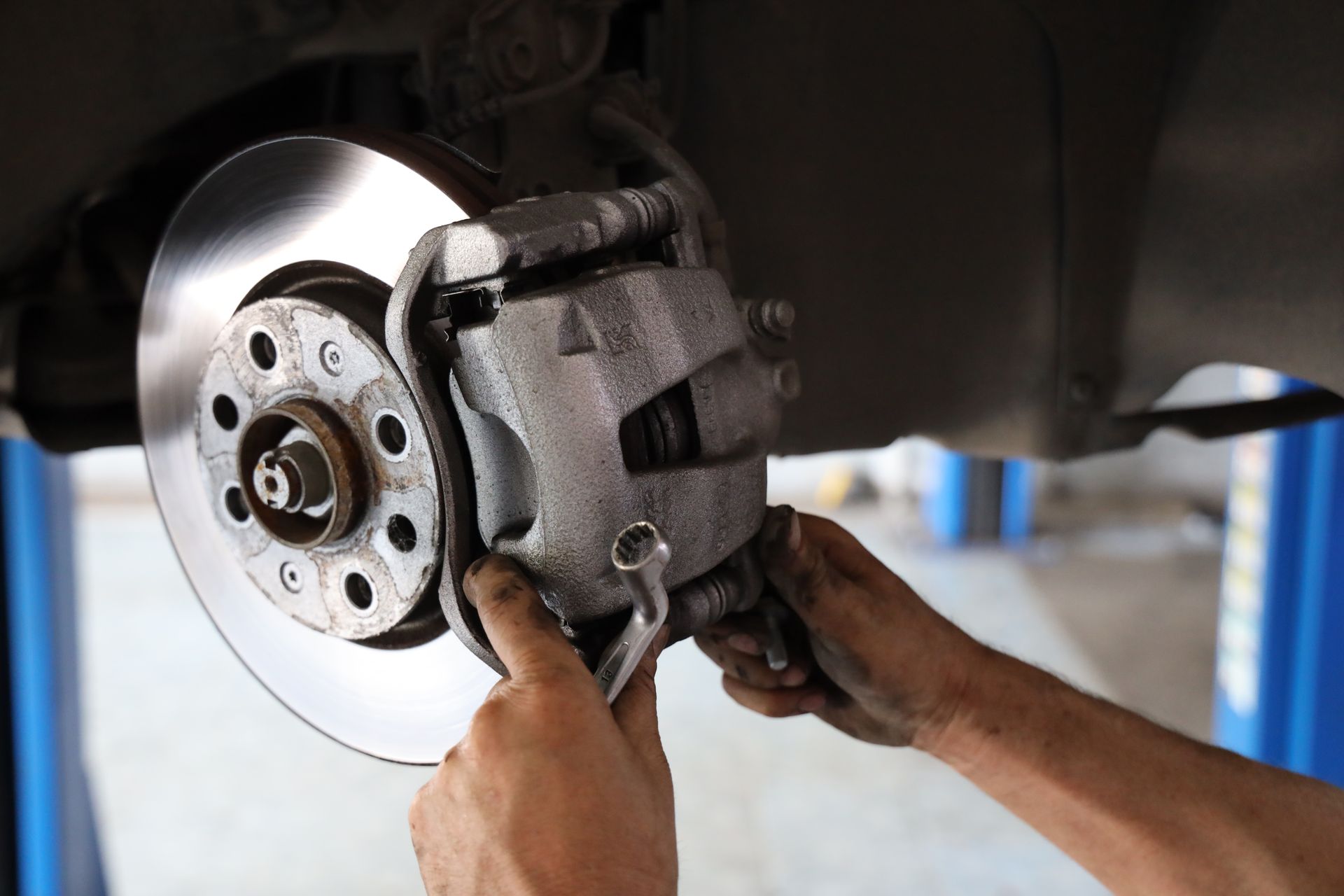
When you press the pedal, the pads clamp the rotors. If the rotor surface is not consistent all the way around, the pads grip harder in some spots and lighter in others. Your hands feel that as a shimmy in the steering wheel or a pulsing in the brake pedal.


How Warped or Uneven Rotors Cause Shaking


People often say their rotors are “warped,” but in many cases the problem is uneven rotor thickness or pad material deposits. Heat from hard stops can change the surface of the rotor. Some sections build up extra material, while others wear away slightly.


Every time the thicker section passes between the pads, it pushes them apart just a bit. That movement comes up through the caliper, into the suspension, and finally into the steering wheel and pedal. The more uneven the surface gets, the stronger the shake you feel when you brake.


Other Common Causes of Brake Shake


Rotors are a big part of the story, but they are not the only possible cause. When we diagnose brake vibration, we also look at:


  • Worn suspension components, like ball joints, control arm bushings, and tie rods that let the wheel move too much under braking
  • Loose or sticking calipers, which can cause one side to grab harder than the other
  • Wheel bearings that have play and allow the rotor to wobble slightly
  • Uneven tire wear, which can exaggerate vibration when the brakes are applied


Often there is a mix of issues. A slightly uneven rotor combined with a loose suspension part can create a much bigger shake than either problem would by itself.


Symptom Timeline: How Brake Shake Usually Progresses


Brake vibration rarely starts at full strength on day one. At first you might feel a light pulsing in the pedal when you slow from freeway speeds, then it seems to disappear around town. A few weeks later, the steering wheel might begin to twitch slightly on long downhill ramps.


If nothing is done, the shake usually grows more noticeable. You may feel the car’s nose shimmy when you brake, or hear a faint scraping sound that comes and goes in time with the vibration. Left long enough, the pads and rotors can wear in strange patterns, and stopping distances can increase. The sooner you act on that timeline, the less you usually need to replace.


What You Can Notice From the Driver’s Seat


You do not need tools to collect useful clues. Paying attention to the details can help point us in the right direction. Ask yourself a few questions:


Do you feel the shake mostly in the steering wheel, mostly in the seat, or in the pedal itself? Steering wheel shake often points toward the front brakes and front suspension. A shake you feel more in the seat can sometimes mean rear brake or rear suspension issues.


Think about when the vibration happens. Only when braking from high speed, or even at low speeds? Is it stronger when braking lightly, or under harder stops? Sharing those patterns with us gives a head start on finding the exact source instead of just guessing at parts.


Driver Habits That Can Make Brake Shake More Likely


Certain habits are harder on rotors and can make vibration show up sooner. Riding the brakes on long hills, stopping hard from high speeds again and again, and braking late in heavy traffic all build a lot of heat into the pads and rotors. That heat is what tends to create uneven surfaces and pad deposits.


Ignoring early noises and vibrations also lets minor issues grow. A small shake that could have been corrected with a rotor service and fresh pads can turn into deeply grooved rotors, badly worn pads, and extra stress on suspension parts. We have seen many cars where taking care of things just a few months earlier would have cut the repair bill significantly.


Why A Professional Brake Inspection Makes Sense


From the outside, all brake issues can feel similar. Under the car, the causes can be very different. When we inspect for vibration, we look at pad thickness, rotor runout and surface condition, caliper movement, wheel bearings, and suspension play. That lets us separate a simple rotor issue from something deeper, like a loose joint or failing bearing.


A proper repair might include resurfacing or replacing rotors, installing quality pads, cleaning and lubricating hardware, and addressing any worn suspension parts that allow excessive movement. The goal is not just to stop the shaking. It is to give you a solid, smooth brake feel and predictable stopping when you need it most.


Get Brake Inspection in Belmont, NC with TRC Automotive


If your car shakes when you hit the brakes, the steering wheel shimmies, or the pedal feels like it is pulsing under your foot, this is the time to get it checked. We can road test your vehicle, inspect the brake and suspension system, and explain exactly what is causing the vibration.


Schedule brake shake diagnostic in Belmont, NC with TRC Automotive, and we will help you get back to smooth, confident stops on every drive.

What That ABS Light on Your Dashboard Is Trying to Tell You | TRC Automotive
November 28, 2025
TRC Automotive in Belmont, NC, explains what the ABS warning light means and which braking issues it is warning you about.
Why Your Steering Wheel Feels Hard to Turn at Low Speeds | TRC Automotive
October 31, 2025
TRC Automotive in Belmont, NC, explains what causes stiff steering at low speeds and what components may need service.
Why Your Car’s Battery Keeps Dying Every Winter | TRC Automotive
September 26, 2025
TRC Automotive in Belmont, NC, explains why your battery is more likely to die during winter and what steps you can take to prevent seasonal breakdowns.
By trcautomotiverepair April 1, 2025
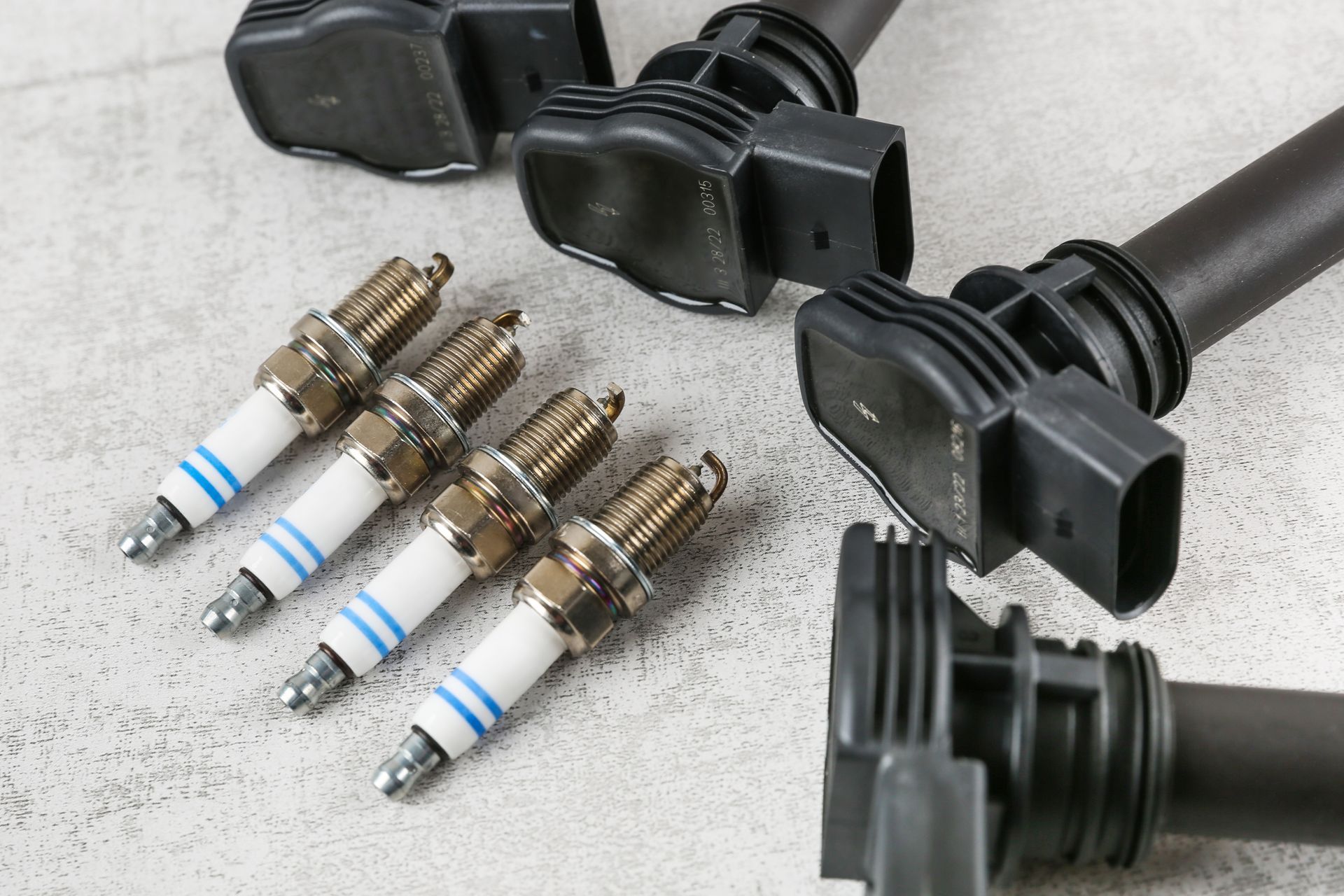
The Importance of Spark Plugs: What You Need to Know Spark plugs are a small but a very important component in your vehicle’s engine. They ignite the air-fuel mixture inside the engine, which allows it to run smoothly. If your spark plugs are worn out, it can lead to poor engine performance, decreased fuel efficiency. Why Spark Plugs Matter: Fuel Efficiency - Well functioning spark plugs help your engine burn fuel efficiently, improving gas mileage. Engine Performance - Spark plugs make sure there is smooth acceleration and proper engine function. Emissions - Faulty spark plugs can increase harmful emissions, affecting both the environment and your car's performance. Signs You Need New Spark Plugs: Rough idling or engine misfires Decreased Fuel Efficiency Having a hard time starting your vehicle Poor Acceleration or sluggish performance When to Replace Spark Plugs: Spark plugs typically last between 30,000 to 100,000 miles, depending on your car’s year, make and model. Check your owner’s manual for the recommendation times to replace your spark plugs. If you notice any of the signs above, it’s time to replace your spark plugs. At TRC Automotive Repair, we can help you make sure your spark plugs are in top condition for a smooth ride. Schedule an appointment today!
By trcautomotiverepair March 17, 2025
Road Trip Checklist Hitting the road for a road trip is one of life's great joys, but before you get on the road, it’s important to ensure your car is in top shape for the trip. Whether you’re heading out on a weekend getaway or a cross-country adventure, a little pre-trip preparation can save you from unexpected issues and expensive repairs on the road. Here’s a checklist to make sure your vehicle is road-trip ready!
By trcautomotiverepair March 6, 2025
Your air filter is one of those small yet incredibly important parts that can have a big effect on your car’s overall health. Air Filters may not get the spotlight like your engine or brakes, but making sure it is clean is essential for keeping your car running well. Let’s talk about how often you should replace your air filter, and why it matters? What is an air filter and why is it an important part of your car? The air filter makes sure your engine gets clean air in it. It prevents dust, dirt, debris, and other particles from getting into your engine, where they can cause damage or cause issues with the performance of the engine. Getting clean air to the engine is important. Our technicians at TRC Automotive Repair can definitely take a look at your air filter for you. How often should you replace it? It depends on a few different things, like the make and model of the vehicle, how you drive and the environment you drive your vehicle in. Typically it is recommended to change the air filter every 15,000 - 20,000 miles or at least once a year. But it is better to look at your car’s owner manual for specific directions. Living in certain conditions may require you to change the air filter a little bit more often: Dusty or polluted environments: If you drive in areas with super dusty or polluted air, your air filter is going to get dirty quicker and will need to be changed out more often. City Driving: Shorter trips with a lot of stop-and-go traffic can cause your engine filter to become clogged quicker, because your engine is revving at a lower speed and is exposed to more debris. Extreme use of Air Conditioning or Heat: Using your A/C more often in polluted areas can cause the air filter to clog up quicker. Signs your Air Filter needs to be replaced: While car dealers recommend replacing the air filter at a certain mileage, there are also clear signs that it needs to be changed, such as: Reduced Engine Performance: If you notice a stall in your engine, especially whenever you are accelerating, it may be because your air filter is clogged and there is poor airflow getting to the engine. Poor Fuel Efficiency: When the air filter is dirty it will cause the engine to work harder to get the air it needs to work properly. That can cause higher fuel consumption. If suddenly you are filling up your gas tank more often, it may be time to change your air filter. Unusual Engine Sounds: If your engine is not getting the proper amount of air, it can start to sound rough or start to misfire. This is a sign of the engine not getting air due to a clogged air filter. Check Engine Light: Sometimes, a clogged air filter can cause your check engine light to turn on. It may be a list of different issues but you should always keep your Air Filter in mind. Visible dirt or damage – If the air filter looks dirty, damaged, or torn, it’s time for a replacement. Replacing your air filter regularly is an easy and cheap way to keep your car running well, save fuel, and prevent bigger engine problems later. Let our technicians take care of that for you at TRC Automotive Repair in Belmont, NC.
By trcautomotiverepair March 3, 2025
Car leaks can be a headache for any car owner, and many times they’re a sign of a bigger problem. Whether it’s a small spot or a noticeable drip, leaks should never be ignored. In this post, we’ll dive into the most common types of car leaks, how to identify them , and what you should do about them to keep your vehicle running properly. Types of Car Leaks Cars can leak a variety of fluids, and each type has its own cause and solution. Here’s some of the most common leaks you may encounter: 1. Engine Oil Leaks What It Looks Like: Dark, brown or black liquid spots under your car. It may be thick and sticky. Engine Oil leaks can range in size from a small leak the size of a quarter up to the size of a softball. Oil leaks often appear near the engine or under the car’s front. Possible Causes: Worn-out, damaged or old gaskets and seals. Loose or damaged oil drain plug or oil filter . Cracked or damaged oil pan . What To Do: If you notice oil leaking, it's important to address it immediately, as running a car with low oil can cause serious damage to the engine. Step 1: Check your oil level. If low, top it off and monitor for any more leaks. Step 2: Bring your car to TRC Auto Repair for a thorough inspection. We will determine what is needed to fix your car. Step 3: Your vehicle might need to have gaskets, seals, or oil pan components replaced. 2. Coolant Leaks What It Looks Like: Coolant comes in many colors; green, orange, yellow, blue, red or pink fluid. Every manufacturer uses a different type nowadays. Coolant will have a sweet smell. Leaks may appear near the radiator , thermostat , hoses , or water pump . Possible Causes: Cracked or broken radiators occur many times as vehicles get older. Worn-out hoses, their connections, or temperature sensors can also cause coolant leaks. Water pumps and/or thermostats are wearable items and will eventually leak as they begin to fail. What To Do: Step 1: If coolant is leaking, it can cause your engine to overheat, so don’t drive the car if the coolant level is low. Step 2: Check your coolant reservoir. If it’s empty, fill it with the appropriate coolant fluid. Step 3: Schedule a repair with us. A local ASE technician in Belmont NC will check for leaks, replace damaged components, and ensure your cooling system is functioning properly. 3. Brake Fluid Leaks What It Looks Like: Brake fluid is a clear, golden or light brown liquid. Leaks often are seen near the or on the tires, located near the brake components. A brake fluid leak can cause a spongy or soft brake pedal , reducing braking efficiency. Many times if you have a brake fluid leak you will have a brake light on the dash, or the ABS light will come on. Possible Causes: Damaged brake lines or faulty brake calipers can cause a leak. As cars age the master cylinder or brake booster can develop leaks Wheel cylinders were used on older cars and trucks and can leak as their seals get older. What To Do: Step 1: If you notice a brake fluid leak, do not drive the car, as you could lose braking ability. Step 2: Check the brake fluid levels. If it is low, refill with the appropriate brake fluid (check your owner’s manual for the right type). Step 3: Get your brake system inspected immediately. A certified mechanic will check for any damaged brake lines, leaks in the master cylinder, or worn seals and components. 4. Power Steering Fluid Leaks What It Looks Like: Power steering fluid is red or pink colored fluid. This fluid is thick and oily in texture. Usually if you see any power steering fluid leaks, they would be under the front of your vehicle or near your power steering fluid reservoir. Possible Causes: Worn-out seals or hoses in the power steering system can create power steering fluid leaks, which can make it harder to steer your vehicle. These parts wear out over time, which leads to fluid loss, and can affect your steering ability and eventually damage the power steering pump if not fixed. What To Do: Step 1: If you are having a hard time steering or you are hearing unusual noises, you could possibly have a power steering fluid leak. Step 2: Check your power steering fluid levels. If low, top it off with some power steering fluid, if you are unsure how to do that have one of our technicians do it for you at TRC Automotive. Step 3: Schedule an appointment with our technicians. If your power steering fluid continues to leak it can make it hard to steer. Which can cause bigger issues. 5. Transmission Fluid Leaks What It Looks Like: Transmission Fluid is dark red or brown colored fluid. This fluid has a slippery texture to it. Typically if you find a transmission fluid leak it is located under the middle area of your vehicle or near your transmission pan. Possible Causes: If you have worn out or damaged transmission seals or Gaskets, this may cause your transmission to leak fluid. When you have a cracked transmission pan or faulty cooler lines it may also be the reason why your transmission fluid may be leaking. What To Do: Step 1: Keep an eye on your transmission fluid level. If it is low then you might notice a hesitation when your gears are switching. If your fluid levels are low you may also notice your gears slipping or you may hear a grinding sound. Step 2: Driving your vehicle around with low transmission fluid can create irreversible damage to your transmission. This will create a more expensive repair later down the road. Step 3: You can bring your vehicle to TRC Automotive Repair in Belmont and one of our technicians can inspect your transmission, seals, and your gaskets to ensure that they are not damaged.
By trcautomotiverepair January 13, 2025
Windshield wipers are typically made of a rubber blade attached to a metal or plastic arm. The rubber is designed to be replaced, as they can wear out or become cracked due to exposure to the sun and weather elements. In this blog we will briefly discuss about making your windshield wipers last.
Car with Lights On | TRC Automotive
October 25, 2024
Many consumers are attracted to cars imported from Asia, and for good reason: they are some of the most reliable and long-lasting vehicles on the...
Oil Change | TRC Automotive
September 25, 2024
Car technology evolves rapidly, but for standard vehicles, motor oil remains the essential lifeblood for the effective functioning of the engine and...