Is Your Car Ready for a Road Trip? Essential Pre-Trip Checklist

March 17, 2025

trcautomotiverepair

Road Trip Checklist

Hitting the road for a road trip is one of life's great joys, but before you get on the road, it’s important to ensure your car is in top shape for the trip. Whether you’re heading out on a weekend getaway or a cross-country adventure, a little pre-trip preparation can save you from unexpected issues and expensive repairs on the road. Here’s a checklist to make sure your vehicle is road-trip ready!

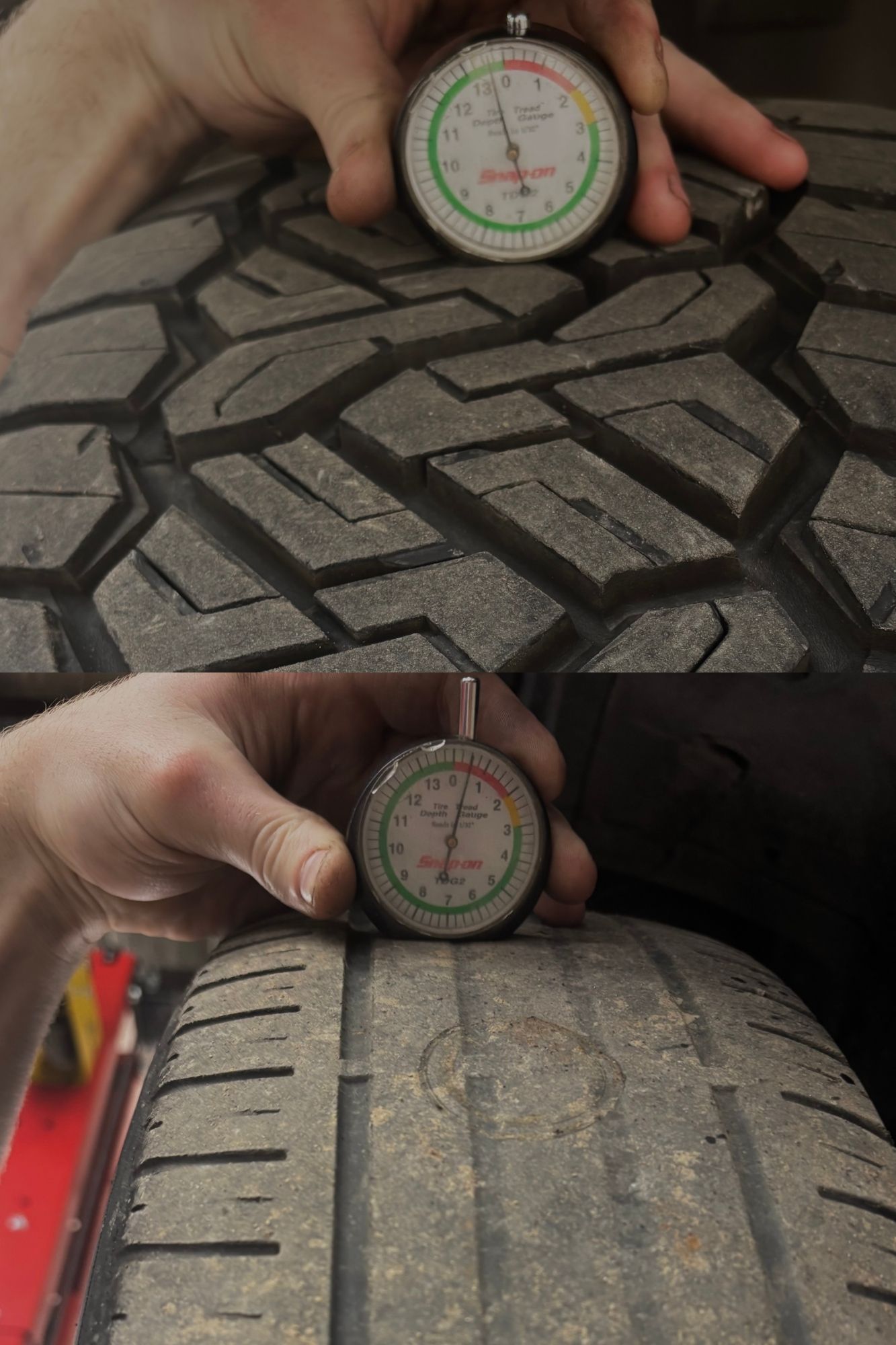
Check on your TIRES :

Tread Depth - Check the tread depth to ensure it’s not too worn down. A depth of 2/32" or more is recommended for safety.

Inflation - Regularly check on your tire pressure. Properly inflated tires provide better traction, steering, and braking, reducing the chance of accidents. 

Rotation - Rotate your tires regularly (every 5,000 to 8,000 miles) to make sure there is even wear.

Examine for Damage - Check the tires for cuts or bulges, especially along the sidewalls. Cuts in sidewalls can be very dangerous.

Spare Tire - Always check that your spare tire is in good condition and properly inflated, ready for use in case of an emergency.
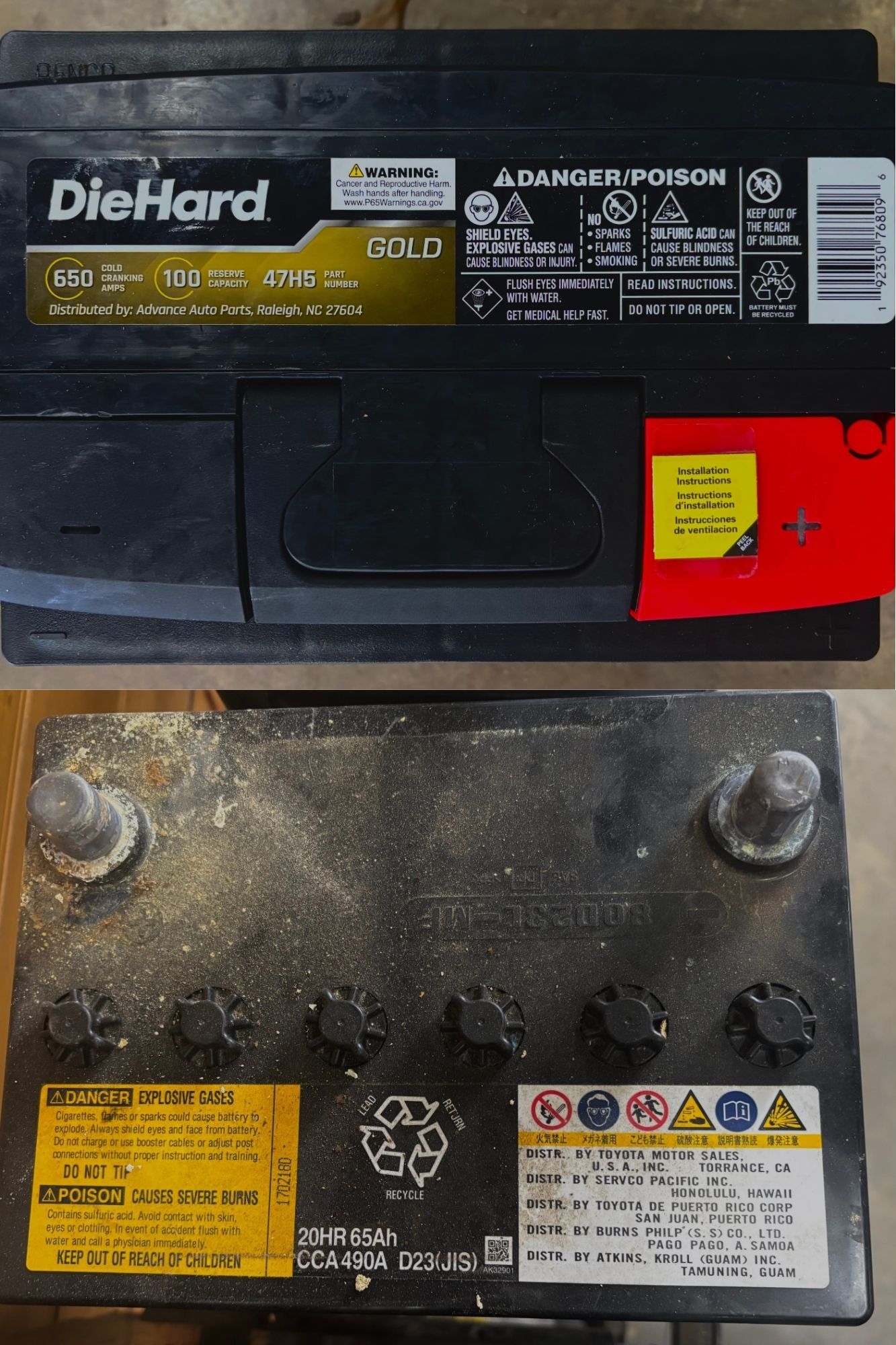
Check on your BATTERY:

Battery Age Check - Make sure your battery is not older than 3-5 years. Check the battery's date of manufacture to ensure it's still reliable for the road trip.

Assess Battery Terminals - Inspect the battery terminals for corrosion or build-up (white, ashy substance) and clean them if needed. Tighten any loose connections or bring it by TRC Automotive Repair so our technicians can check it out for you.

Test Voltage - Test the battery voltage. A healthy battery should read 12.6V or higher when the vehicle is off.

Troubleshoot Charging System - Have one of your technicians check the alternator's output to make sure it is charging the battery properly.

Examine Battery Fluid - For older batteries, check the fluid levels to ensure the plates are covered.

Review Battery Case - If installed, inspect the battery case for any cracks, leaks or bulges that show any damage. Have the battery replaced if it is compromised.

Yield to Electrical Load - Test the battery’s performance under load by using a load tester. Make sure it holds up without dropping below 9.6V under stress.

This checklist ensures that every aspect of the battery's condition is thoroughly checked, helping avoid issues during your road trip.
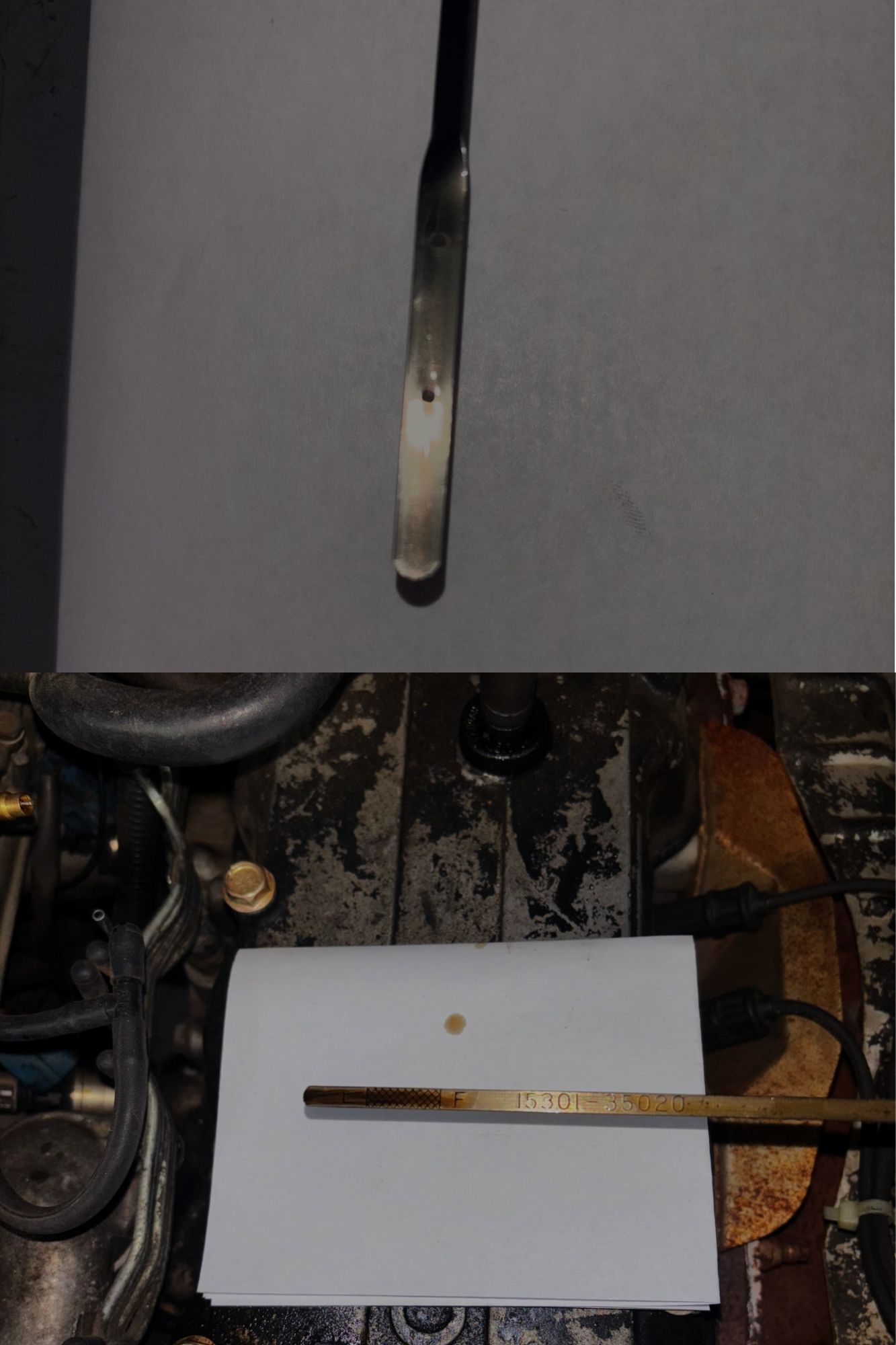
Check on your Oil level and FLUIDS levels:

Fuel System Inspection - Check on your fuel system. Make sure the fuel lines are free from cracks or leaks and the filter is clean. If you are having any issues checking don't hesitate to reach out to TRC Automotive for a Pre Road Trip Inspection.

Lubrication System Check - Inspect the vehicle’s lubrication system. Make sure that all moving parts like the engine and transmission are properly lubricated for a smooth drive.

Under hood Fluid Levels - Check all of your under hood fluid levels, Including your oil level, brake fluid, coolant, transmission fluid, and power steering fluid. Refill any low fluids to ensure smooth vehicle operation or stop by our shop to get your fluids topped off.

Inspect Brake Fluid - Verify that the brake fluid is at the correct level and check for any signs of your fluid being contaminated. Brake fluid should be clean and at the proper level for safe braking performance

Diagnose Cooling System - Inspect the coolant level and condition. Ensure the radiator is full and the coolant is clean and free of debris. Check for any issues that could cause overheating. If you are not sure what to look for feel free to call us to schedule an appointment to verify everything is in good condition.

Steering Fluid Check - Inspect the power steering fluid level and condition. Top it off if necessary and check for leaks in the steering system.

This checklist helps you to make sure all of your important oils and fluids are in good condition, preventing potential issues during a road trip.
Check on your BRAKES:

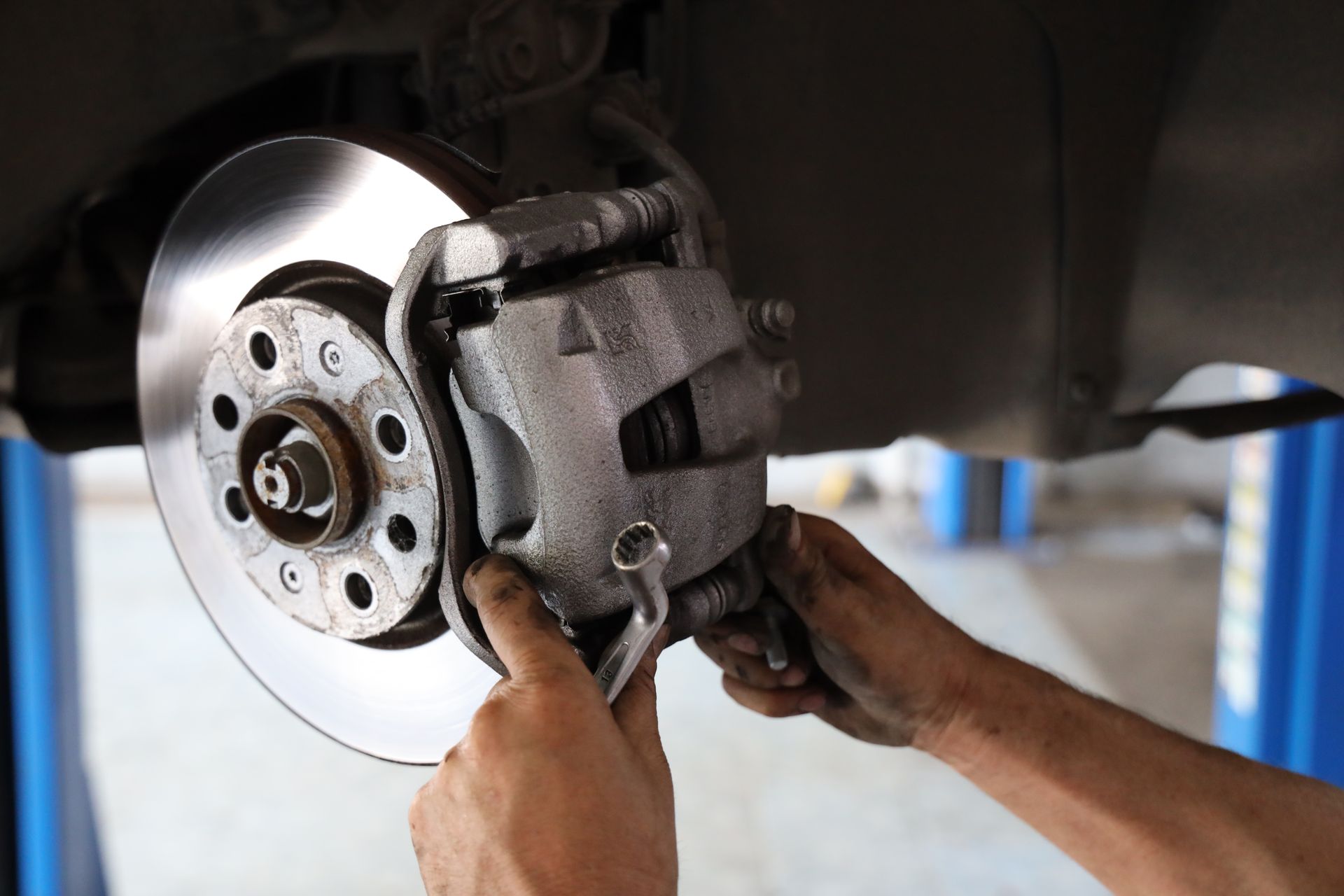
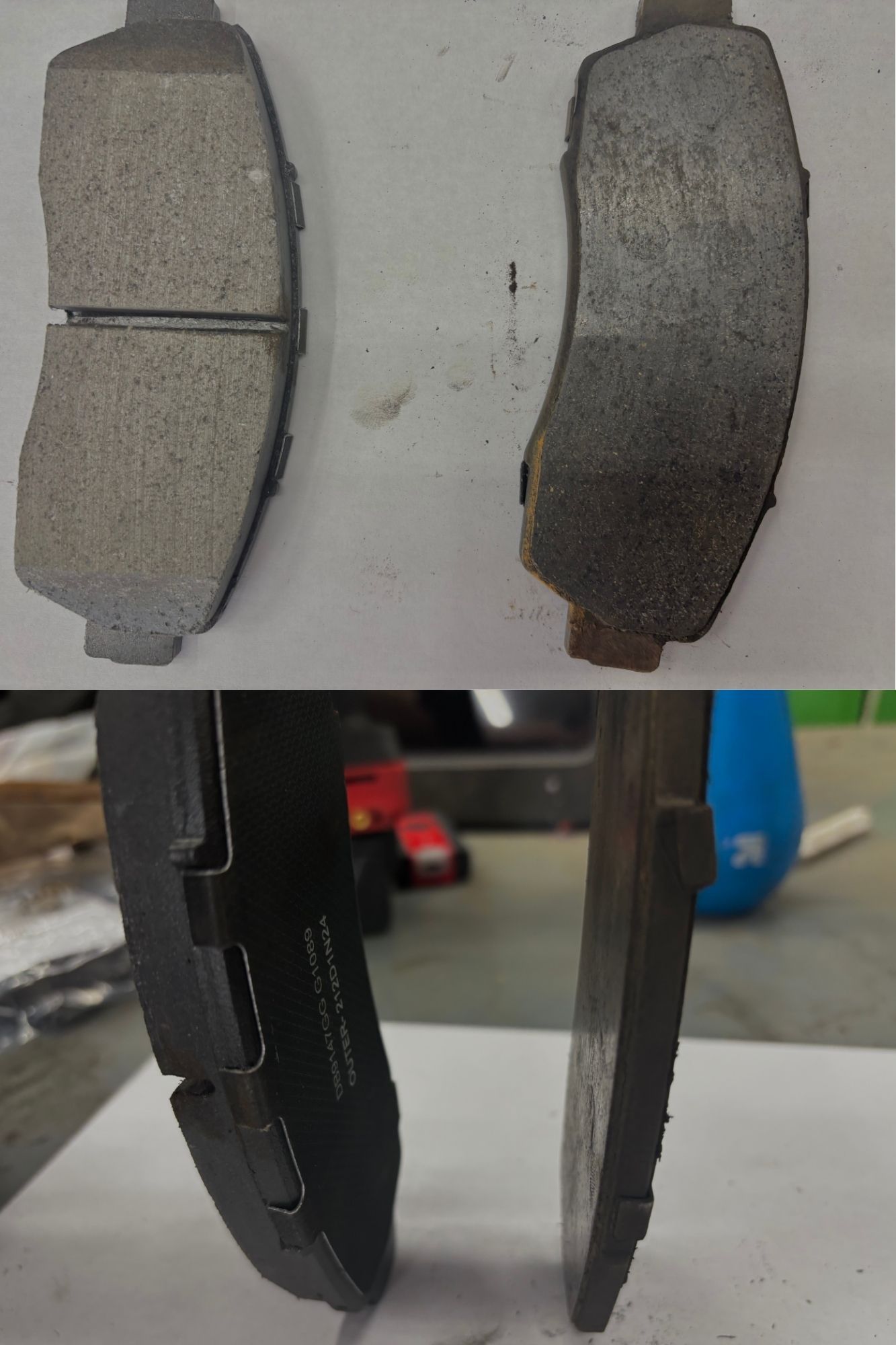
Brake Pad Thickness - Check your brake pads for wear. Make sure they have the proper thickness for responsive braking while you are driving on your road trip. At TRC Automotive we recommend to change your brake pads immediately if they are less than 3mm. Brakes that are in great shape are usually 6mm or greater.

Rotor Condition - Make sure to take a look at your brake rotors for wears, grooves, or cracks. If your rotors seemed damaged or really worn out, bring your vehicle by TRC Automotive to get them checked out and resurfaced or replaced.

Anti-Lock Braking System (ABS) Check - Make sure your ABS is functioning properly. Check for any ABS warning lights and if you see any lights then bring it to TRC for a brake system check.

Keep Brake Lines Leak Free - Inspect brake lines for any signs of leaks, corrosion, or damage. Leaking brake fluid can compromise braking performance, so any issues should be fixed immediately.

Examine Brake Fluid - Check the brake fluid level and condition. If the fluid is low or contaminated, top it off or have it flushed at our auto repair shop. Contaminated fluid can affect braking efficiency.

Sensitive Brake Testing - Test the brake system to ensure the pedal feels firm and responsive. Listen for any unusual noises such as squealing or grinding, which could indicate problems and if you are unsure do not hesitate to reach out.

This checklist ensures the brake system is in top condition for a safe road trip. It helps identify any potential issues that might arise during travel.


Test your exterior Lights and Indicators:

Light Bulb Inspection - Check all exterior light bulbs, including headlights, tail lights, brake lights, turn signals, and license plate lights. Replace any burnt-out bulbs at TRC Automotive Repair.

Inspect Headlight Alignment - Ensure the headlights are properly aligned to avoid blinding other drivers and to provide visibility on the road. Misaligned headlights should be adjusted.

Glow of Dashboard Lights - Make sure that all dashboard indicator lights (such as the check engine light, ABS, etc.) are functioning properly and that no warning lights are on, which would cause potential issues.

Hazard Light Functionality - Test your hazard lights to make sure they are working correctly, as they are important for safety in case of an emergency or breakdown.

Tail Lights and Brake Lights Check - Ensure tail lights and brake lights are bright and functioning properly. These lights are important for your safety, especially in low visibility conditions.

Signal Lights ( Turn Signals ) - Check the turn signals on both sides for proper function. Make sure they flash at the correct speed and brightness.
Ready to Hit the Road?

By taking the time to prepare your vehicle, you can avoid issues and have a more enjoyable, safe road trip. Trust TRC Automotive to keep your car in prime condition before you take off.

Need help with any of these checks? Call us today or stop by TRC Automotive in Belmont, NC. We’re here to make sure you’re road-trip ready!

TRC Automotive Repair – Your Trusted Local Auto Repair Shop in Belmont, NC

By trcautomotiverepair March 18, 2026
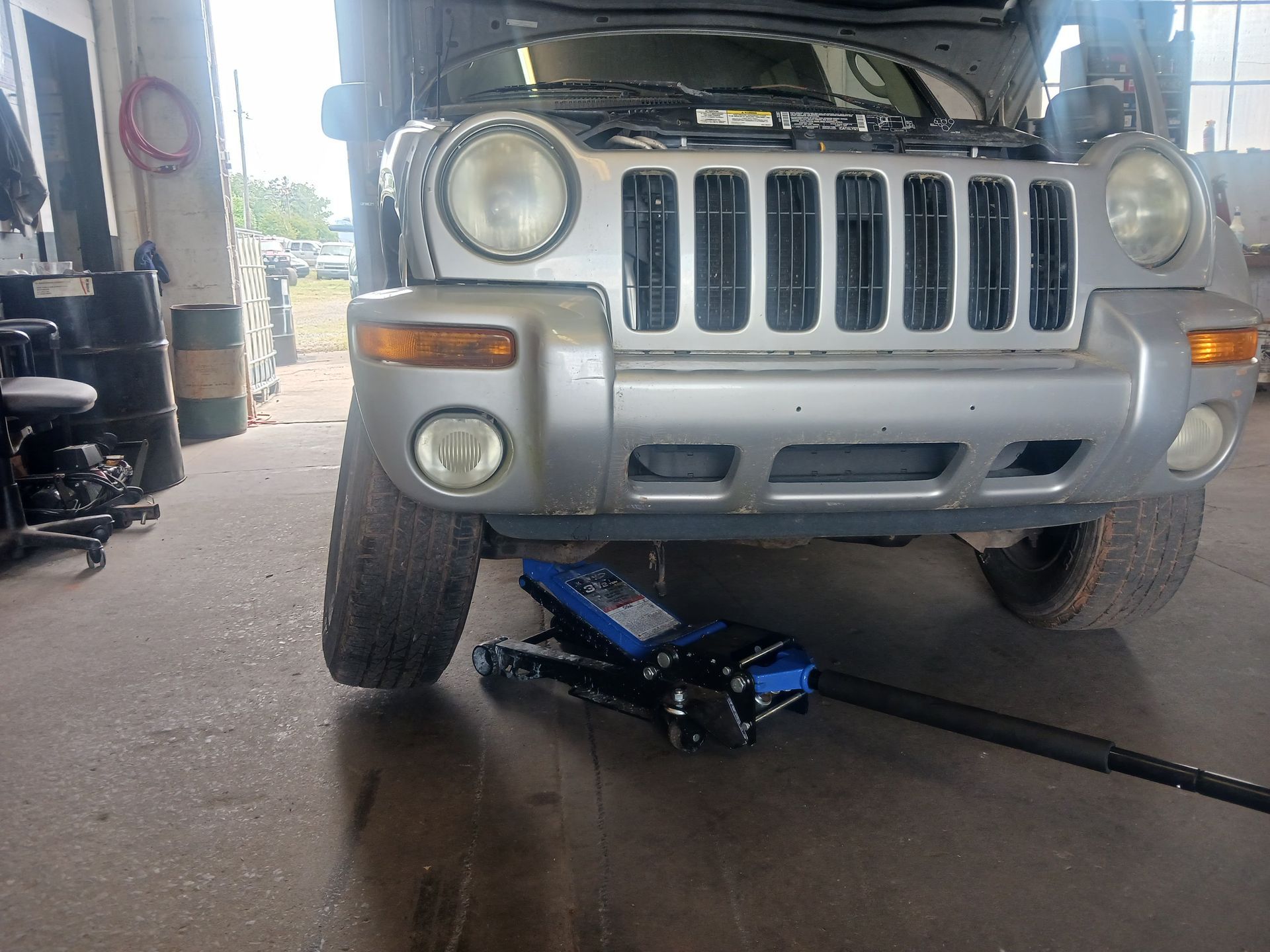
Winter is officially in the rearview mirror, but your vehicle might still be carrying the scars of "Pothole Season." Between freezing temperatures hardening your rubber components and those hidden craters in the asphalt, your suspension takes a beating on the roads in and around Belmont, NC from December to March. Ignoring suspension damage isn’t just about a bumpy ride; it’s a major safety risk and a silent killer of expensive tires . Here are the three red flags that suggest your car didn't make it through winter unscathed. 1. The "Cupped" Tire Tread Take a close look at your tires. Do you see uneven , scalloped dips in the tread ? This is called " cupping ." When your shocks or struts are worn out, they can’t keep the tire firmly pressed against the road. Instead, the tire literally bounces as you drive. Not only does this ruin your tires prematurely, but it also drastically reduces your traction during spring rainstorms. 2. The "Nose Dive" or "Body Roll" Does your car feel like a boat in choppy water? If the front of your vehicle " dives " toward the pavement when you hit the brakes, or if it leans excessively when turning corners, your suspension is no longer stabilizing the vehicle's weight. This shift in momentum increases your stopping distance, making it harder to avoid an accident in an emergency. 3. The "Stiff-Arm" Steering Wheel If you’re driving straight but your steering wheel is tilted to the side, or if you feel a constant " pull " to the left or right, a winter pothole likely knocked your alignment out of spec. This puts constant stress on your suspension joints and causes your tires to scrub against the road, wearing them down in a matter of weeks. Safety First: The Right Choice for Spring At TRC Automotive Repair , we believe your safety shouldn't be left to chance. Our ASE-certified mechanics use industry-leading Snap-on alignment equipment to diagnose exactly what winter did to your vehicle. Don't let a bad suspension compromise your safety or drain your wallet with unnecessary tire replacements. Make The Right Choice and schedule your Spring-Ready Alignment & Suspension Package today.
What Is The Spectrum Award For Customer Service And What It Means For Our Customers?  | TRC Automoti
February 27, 2026
Awards can feel like fluff if they do not connect to your day-to-day experience. In auto repair, what most drivers really want is simple: a shop that listens, explains what matters, and does the work right without turning it into a drawn-out mess. So when a customer-service award comes up, it should mean something practical, not just a plaque on the wall. The Spectrum Award for Customer Service is one of those recognitions that is tied to customer satisfaction, not sales volume or flashy marketing. Here is what it is, how it is earned, and what it should mean for you when you bring your vehicle in. What The Spectrum Award Recognizes The Spectrum Award is a customer satisfaction recognition presented by City Beat News. The idea is to spotlight businesses that consistently deliver strong service experiences for their customers, not just a one-time great interaction. It is awarded annually, which matters because consistency over time is what separates a solid shop from a lucky week. For drivers, that focus is a good sign. It points to how people are actually treated, how communication goes, and whether the shop handles problems responsibly when things get complicated. How Businesses Earn The Award The award is tied to a rating system that looks at customer satisfaction data and patterns. The intent is to filter out obvious bias and focus on repeatable indicators of service quality. In plain terms, it is meant to reflect how customers experience the business, not how loudly the business talks about itself. In 2025, we were honored to receive this award, and we take that seriously. It is not a finish line. It is a reminder that the way we treat people has to stay sharp on the busy days, not just when everything is easy. Why Customer Service Matters In Auto Repair Auto repair is stressful when you feel out of the loop. Most people do not mind paying for a necessary repair, but they do mind surprises, vague explanations, or being talked into something they do not understand. Good customer service in a shop means you know what is being recommended and why, and you are not pressured into panic decisions. It also means the shop respects your time. Clear scheduling, realistic timelines, and updates you do not have to chase down are part of what makes the whole process less frustrating. What This Means For Your Visit A customer satisfaction award should translate into a predictable experience . You should expect a conversation that starts with your symptoms and your goals, not a generic sales pitch. You should also expect options when there is more than one reasonable path, along with the tradeoffs explained in plain language. It should also mean follow-through. If a shop says it will call you with an update, it should happen. If something changes mid-repair, you should hear about it before the bill is finalized, not after. How We Keep The Experience Consistent Consistency comes from doing the basics well, every time. That includes listening carefully, documenting what we find, and explaining the plan in a way that makes sense. It also includes a straightforward inspection process so we are not guessing at the cause of a problem or throwing parts at it. We also try to keep recommendations grounded. If something can wait, we should say so. If something is time-sensitive, we should explain what could happen if it is delayed, without turning it into scare tactics. Where Regular Maintenance Fits In The biggest customer-service win is preventing emergencies whenever possible. Regular maintenance helps reduce breakdowns, protects expensive components, and keeps small issues from piling up into a bigger repair list all at once. It also gives you more control, because you are choosing the timing instead of getting forced into it by a failure. A good shop will help you prioritize, not overwhelm you. That means focusing on what affects safety and reliability first, then building a plan that fits your driving habits and your budget. Get Customer-Focused Auto Repair In Belmont, NC With TRC Automotive If you want a service that puts clear communication and solid workmanship first, the next step is to book an appointment so it’s handled correctly. Schedule service with TRC Automotive in Belmont, NC, when you’re ready to stay ahead of repairs and keep your vehicle dependable without the runaround.
By trcautomotiverepair February 10, 2026
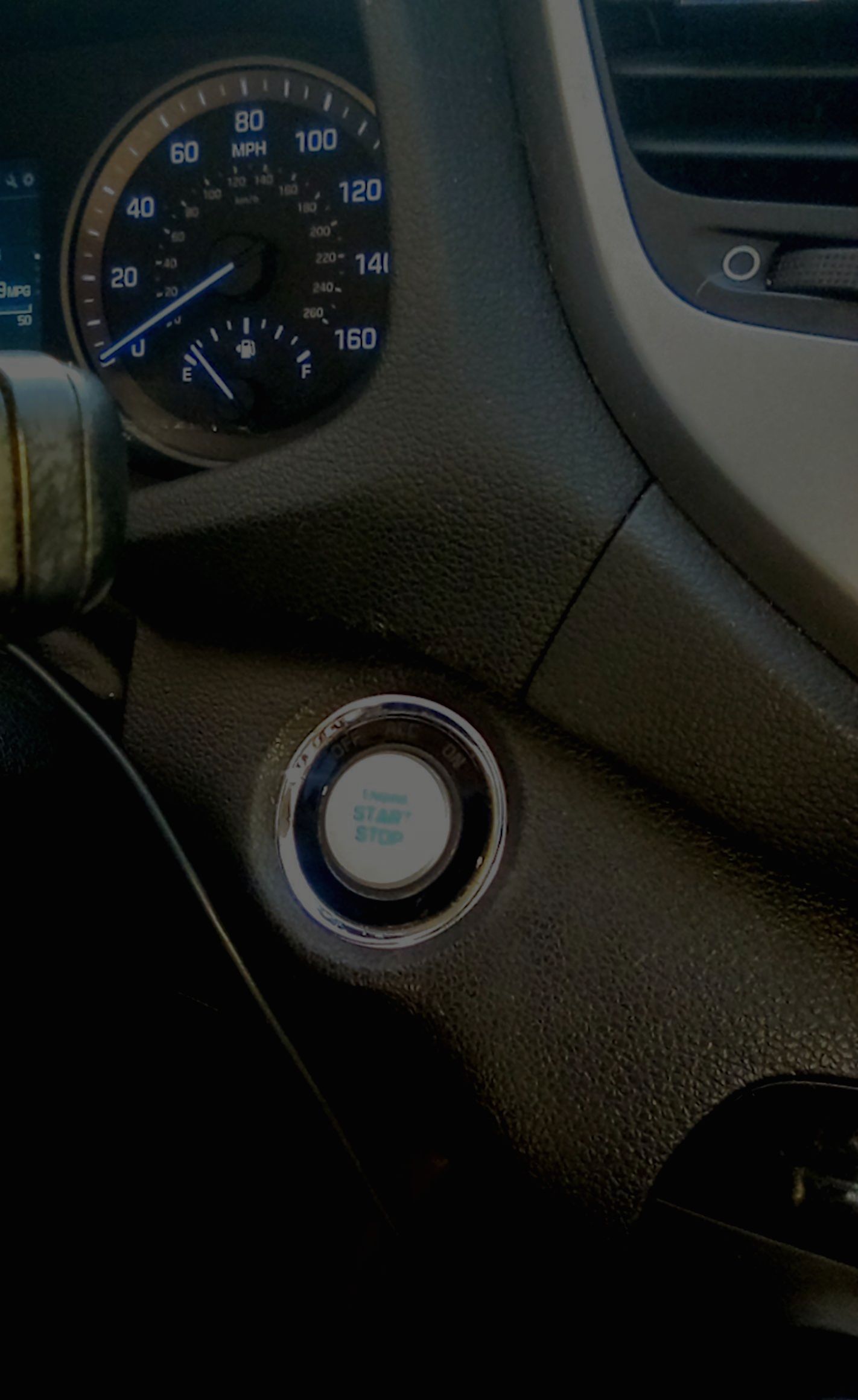
You’re ready to head out the door, but when you turn the key or press the start button, your car just won’t budge. A car refusing to start is a common problem, but it doesn’t always mean you’re facing a major repair. In this blog, we’ll walk you through some common reasons your car won’t start and share easy tips to get you back on the road in no time. 
How Do You Know If An Ignition Coil or a Spark Plug Is Causing the Misfires? | TRC Automotive
January 30, 2026
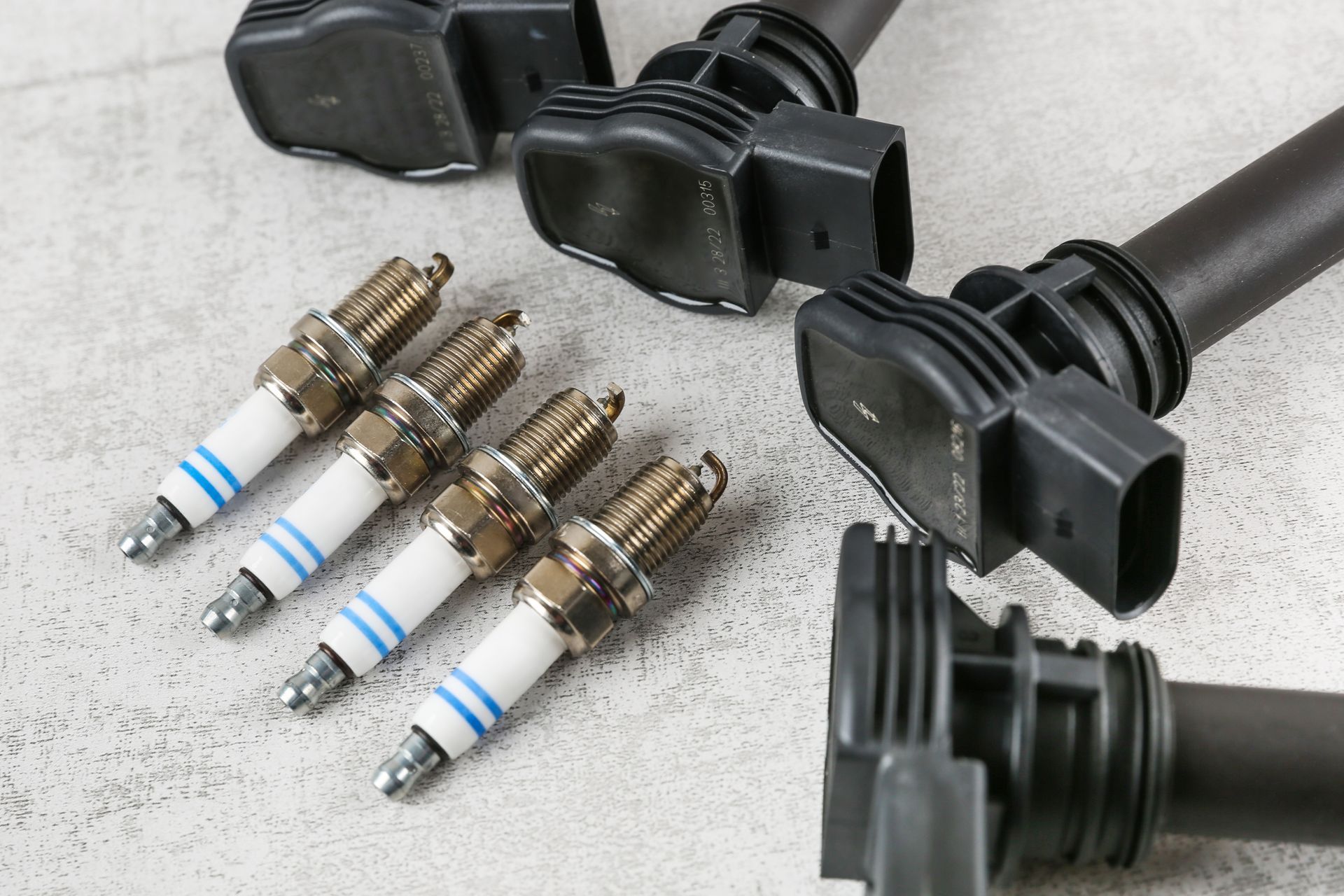
TRC Automotive in Belmont, NC, explains how to tell whether a spark plug or ignition coil is causing misfires, focusing on symptom patterns and diagnostic steps.
Why Does My Car Shake When I Hit the Brakes | TRC Automotive
December 19, 2025
TRC Automotive in Belmont, NC, explains why a car shakes when you hit the brakes and which brake components are usually to blame.
What That ABS Light on Your Dashboard Is Trying to Tell You | TRC Automotive
November 28, 2025
TRC Automotive in Belmont, NC, explains what the ABS warning light means and which braking issues it is warning you about.
Why Your Steering Wheel Feels Hard to Turn at Low Speeds | TRC Automotive
October 31, 2025
TRC Automotive in Belmont, NC, explains what causes stiff steering at low speeds and what components may need service.
Why Your Car’s Battery Keeps Dying Every Winter | TRC Automotive
September 26, 2025
TRC Automotive in Belmont, NC, explains why your battery is more likely to die during winter and what steps you can take to prevent seasonal breakdowns.
By trcautomotiverepair April 1, 2025
The Importance of Spark Plugs: What You Need to Know Spark plugs are a small but a very important component in your vehicle’s engine. They ignite the air-fuel mixture inside the engine, which allows it to run smoothly. If your spark plugs are worn out, it can lead to poor engine performance, decreased fuel efficiency. Why Spark Plugs Matter: Fuel Efficiency - Well functioning spark plugs help your engine burn fuel efficiently, improving gas mileage. Engine Performance - Spark plugs make sure there is smooth acceleration and proper engine function. Emissions - Faulty spark plugs can increase harmful emissions, affecting both the environment and your car's performance. Signs You Need New Spark Plugs: Rough idling or engine misfires Decreased Fuel Efficiency Having a hard time starting your vehicle Poor Acceleration or sluggish performance When to Replace Spark Plugs: Spark plugs typically last between 30,000 to 100,000 miles, depending on your car’s year, make and model. Check your owner’s manual for the recommendation times to replace your spark plugs. If you notice any of the signs above, it’s time to replace your spark plugs. At TRC Automotive Repair, we can help you make sure your spark plugs are in top condition for a smooth ride. Schedule an appointment today!
By trcautomotiverepair March 6, 2025
Your air filter is one of those small yet incredibly important parts that can have a big effect on your car’s overall health. Air Filters may not get the spotlight like your engine or brakes, but making sure it is clean is essential for keeping your car running well. Let’s talk about how often you should replace your air filter, and why it matters? What is an air filter and why is it an important part of your car? The air filter makes sure your engine gets clean air in it. It prevents dust, dirt, debris, and other particles from getting into your engine, where they can cause damage or cause issues with the performance of the engine. Getting clean air to the engine is important. Our technicians at TRC Automotive Repair can definitely take a look at your air filter for you. How often should you replace it? It depends on a few different things, like the make and model of the vehicle, how you drive and the environment you drive your vehicle in. Typically it is recommended to change the air filter every 15,000 - 20,000 miles or at least once a year. But it is better to look at your car’s owner manual for specific directions. Living in certain conditions may require you to change the air filter a little bit more often: Dusty or polluted environments: If you drive in areas with super dusty or polluted air, your air filter is going to get dirty quicker and will need to be changed out more often. City Driving: Shorter trips with a lot of stop-and-go traffic can cause your engine filter to become clogged quicker, because your engine is revving at a lower speed and is exposed to more debris. Extreme use of Air Conditioning or Heat: Using your A/C more often in polluted areas can cause the air filter to clog up quicker. Signs your Air Filter needs to be replaced: While car dealers recommend replacing the air filter at a certain mileage, there are also clear signs that it needs to be changed, such as: Reduced Engine Performance: If you notice a stall in your engine, especially whenever you are accelerating, it may be because your air filter is clogged and there is poor airflow getting to the engine. Poor Fuel Efficiency: When the air filter is dirty it will cause the engine to work harder to get the air it needs to work properly. That can cause higher fuel consumption. If suddenly you are filling up your gas tank more often, it may be time to change your air filter. Unusual Engine Sounds: If your engine is not getting the proper amount of air, it can start to sound rough or start to misfire. This is a sign of the engine not getting air due to a clogged air filter. Check Engine Light: Sometimes, a clogged air filter can cause your check engine light to turn on. It may be a list of different issues but you should always keep your Air Filter in mind. Visible dirt or damage – If the air filter looks dirty, damaged, or torn, it’s time for a replacement. Replacing your air filter regularly is an easy and cheap way to keep your car running well, save fuel, and prevent bigger engine problems later. Let our technicians take care of that for you at TRC Automotive Repair in Belmont, NC.