What Does an Oxygen Sensor Do in Your Car?

July 31, 2026

An oxygen sensor monitors the exhaust leaving your engine and reports how much oxygen remains after combustion. The engine computer uses that information to decide whether the air-and-fuel mixture is too rich, too lean, or close to where it should be.


Most modern vehicles use more than one oxygen sensor. Sensors before the catalytic converter help control fuel delivery, while sensors after the converter help monitor how well the emissions system is working. When one of these sensors becomes slow or inaccurate, the car may still run, but fuel economy, performance, and emissions can begin to change.


How The Engine Uses Oxygen Sensor Information


The engine needs the correct balance of air and fuel to burn efficiently. Too much fuel creates a rich mixture, while too much air creates a lean mixture. The oxygen sensor sends a changing voltage or current signal that helps the computer adjust injector operation.


During normal driving, the computer makes small fuel corrections many times each second. These adjustments help the engine respond to temperature, altitude, load, and changes in airflow. Without reliable oxygen sensor data, the computer may depend on preset values that are less accurate for current driving conditions.


Upstream And Downstream Sensors Have Different Jobs


An upstream oxygen sensor is positioned before the catalytic converter. Its main role is to help the computer control the fuel mixture. If its signal becomes slow, biased, or inconsistent, the computer may add or remove the wrong amount of fuel.


A downstream sensor sits after the catalytic converter. It compares exhaust conditions after the gases pass through the converter. If the downstream signal looks too similar to the upstream signal, the computer may determine that the catalytic converter is not storing and processing oxygen as expected.


Signs Of A Failing Oxygen Sensor


A weak oxygen sensor does not always cause an obvious drivability problem right away. The check engine light may appear while the car still starts, idles, and accelerates normally. Over time, the driver may notice changes that become easier to recognize.


  • Reduced fuel economy
  • Rough or unstable idle
  • Hesitation during acceleration
  • A strong exhaust smell
  • Failed emissions testing
  • Black residue near the tailpipe
  • A check engine light that remains on


These symptoms can also come from ignition, fuel, intake, or exhaust problems. Testing is needed before the oxygen sensor is blamed, since the sensor may simply be reporting a condition created elsewhere in the engine.


Why Oxygen Sensors Wear Out


Oxygen sensors operate in extremely hot exhaust gas and experience constant heating and cooling. Over time, their internal elements can lose sensitivity and respond more slowly. Mileage, short trips, oil consumption, coolant leaks, and fuel contamination can shorten sensor life.


A sensor may also become coated by silicone, ash, soot, or deposits from an engine that is burning oil. Damaged wiring, melted connectors, and corrosion near the exhaust can interrupt the signal even when the sensing element itself is still capable of working.


A Sensor Code Does Not Always Mean The Sensor Is Bad


A diagnostic trouble code identifies what the computer noticed, but it does not always identify the failed part. A lean oxygen sensor code may come from an intake leak, low fuel pressure, a weak injector, or an exhaust leak that allows outside air into the system.


A rich code can be caused by leaking injectors, excessive fuel pressure, restricted airflow, or an engine temperature sensor reporting incorrect information. Replacing the oxygen sensor without checking those possibilities can leave the check engine light on and the original concern unchanged.


How A Bad Sensor Affects The Catalytic Converter


When fuel control is inaccurate, extra fuel may enter the exhaust. The catalytic converter then has to process more heat and unburned material than it was designed to handle. Continued rich operation or active misfires can overheat and damage the converter.


A lean condition can also create high combustion temperatures and poor performance. Early diagnosis helps protect the converter, which is usually far more expensive than the sensor. Regular maintenance of spark plugs, filters, and ignition components can reduce the chance of fuel-control problems damaging the exhaust system.


How Technicians Test Oxygen Sensor Operation


Diagnosis may begin with checking stored codes and reviewing live sensor data. A technician can compare upstream and downstream signals, watch fuel trim corrections, and see whether the sensor responds when operating conditions change.


The inspection may also include checking for intake leaks, exhaust leaks, wiring damage, fuel pressure problems, and engine misfires. Testing the complete system helps confirm whether the oxygen sensor is slow, contaminated, electrically disconnected, or accurately reporting another fault.


Can You Keep Driving With An Oxygen Sensor Warning?


A steady check engine light caused by an oxygen sensor concern may not stop the vehicle from driving immediately. However, fuel economy may decrease, emissions may rise, and the catalytic converter may face additional heat if the engine is running too rich.


Do not continue driving if the light begins flashing, the engine shakes heavily, or power drops sharply. A flashing light often indicates a misfire that can quickly damage the converter. Even when the car feels normal, scheduling service soon can prevent a small sensor or wiring concern from turning into a more expensive repair.


Get Oxygen Sensor Diagnostics In Belmont, NC, With TRC Automotive


If your check engine light is on, fuel economy has dropped, or your vehicle has failed an emissions test, TRC Automotive in Belmont, NC, can test the oxygen sensors, fuel controls, exhaust system, wiring, and catalytic converter operation.

Contact us to schedule an appointment and identify the source before inaccurate fuel control causes further damage.

Why Does My Car A/C Not Feel Cold | TRC Automotive
June 29, 2026
If your car A/C doesn’t feel cold, learn the most common causes, what weak cooling can mean, and when it’s time for an inspection from TRC Automotive.
How Do You Know When Brake Pads and Brake Rotors Are Worn Out? | TRC Automotive
May 29, 2026
TRC Automotive in Belmont, NC, explains how to tell when brake pads and rotors are worn out.
American flag held out a car window of a red car | TRC Automotive in Belmont, NC
April 29, 2026
Getting ready for Memorial Day? Learn how to beat the holiday traffic and avoid a breakdown with TRC Automotive's guide to smart timing and pre-trip maintenance.
What Do Drivers Get Wrong About Fuel Grades? Is Premium Always The Best? | TRC Automotive
March 27, 2026
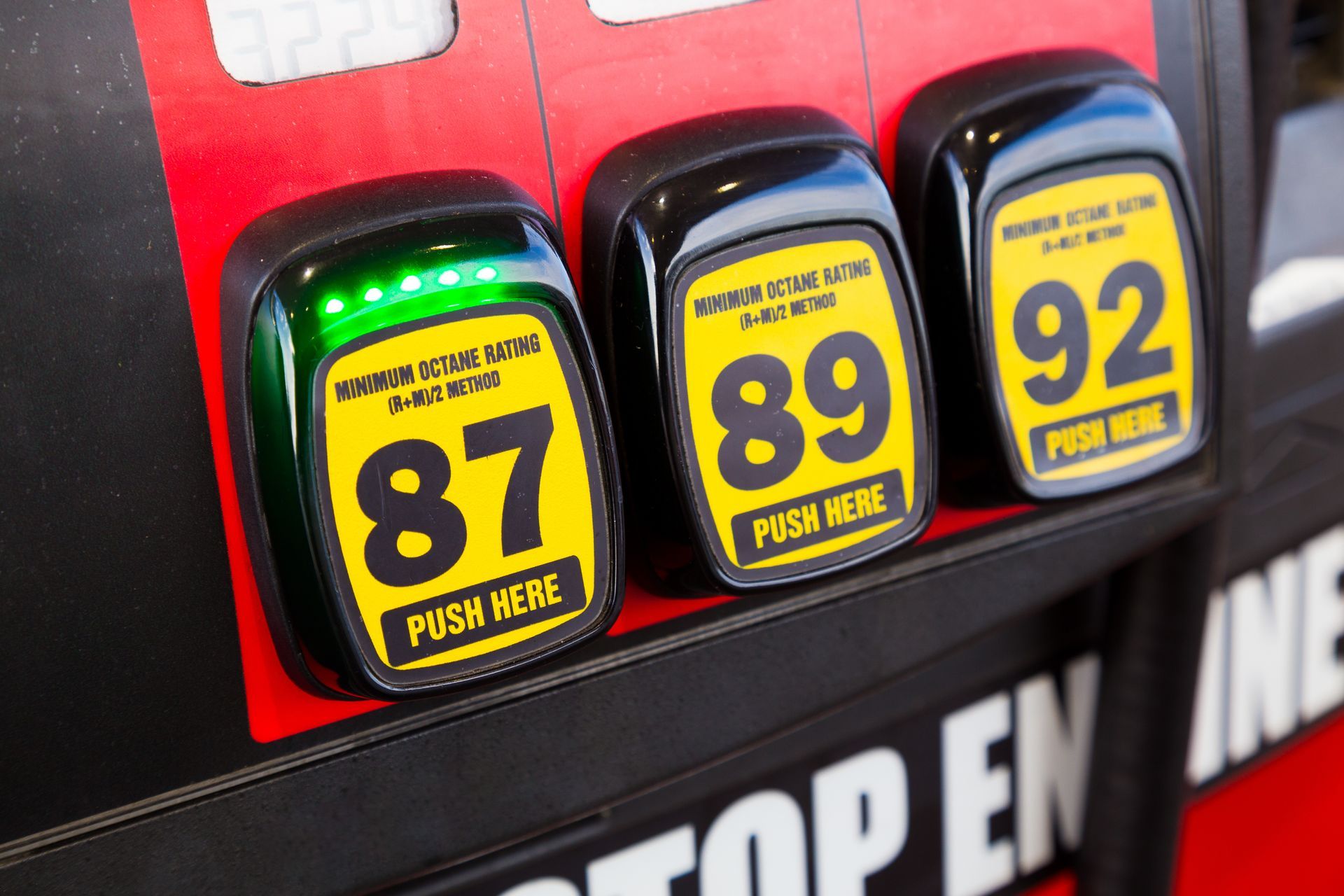
TRC Automotive in Belmont, NC, explains what drivers often get wrong about fuel grades and whether premium is really better.
By trcautomotiverepair March 18, 2026
Stay safe and save on repairs with expert car care tips, diagnostic guides, and maintenance advice from the team at TRC Automotive in Belmont, NC.
What Is The Spectrum Award For Customer Service And What It Means For Our Customers?  | TRC Automoti
February 27, 2026
Awards can feel like fluff if they do not connect to your day-to-day experience. In auto repair, what most drivers really want is simple: a shop that listens, explains what matters, and does the work right without turning it into a drawn-out mess. So when a customer-service award comes up, it should mean something practical, not just a plaque on the wall. The Spectrum Award for Customer Service is one of those recognitions that is tied to customer satisfaction, not sales volume or flashy marketing. Here is what it is, how it is earned, and what it should mean for you when you bring your vehicle in. What The Spectrum Award Recognizes The Spectrum Award is a customer satisfaction recognition presented by City Beat News. The idea is to spotlight businesses that consistently deliver strong service experiences for their customers, not just a one-time great interaction. It is awarded annually, which matters because consistency over time is what separates a solid shop from a lucky week. For drivers, that focus is a good sign. It points to how people are actually treated, how communication goes, and whether the shop handles problems responsibly when things get complicated. How Businesses Earn The Award The award is tied to a rating system that looks at customer satisfaction data and patterns. The intent is to filter out obvious bias and focus on repeatable indicators of service quality. In plain terms, it is meant to reflect how customers experience the business, not how loudly the business talks about itself. In 2025, we were honored to receive this award, and we take that seriously. It is not a finish line. It is a reminder that the way we treat people has to stay sharp on the busy days, not just when everything is easy. Why Customer Service Matters In Auto Repair Auto repair is stressful when you feel out of the loop. Most people do not mind paying for a necessary repair, but they do mind surprises, vague explanations, or being talked into something they do not understand. Good customer service in a shop means you know what is being recommended and why, and you are not pressured into panic decisions. It also means the shop respects your time. Clear scheduling, realistic timelines, and updates you do not have to chase down are part of what makes the whole process less frustrating. What This Means For Your Visit A customer satisfaction award should translate into a predictable experience . You should expect a conversation that starts with your symptoms and your goals, not a generic sales pitch. You should also expect options when there is more than one reasonable path, along with the tradeoffs explained in plain language. It should also mean follow-through. If a shop says it will call you with an update, it should happen. If something changes mid-repair, you should hear about it before the bill is finalized, not after. How We Keep The Experience Consistent Consistency comes from doing the basics well, every time. That includes listening carefully, documenting what we find, and explaining the plan in a way that makes sense. It also includes a straightforward inspection process so we are not guessing at the cause of a problem or throwing parts at it. We also try to keep recommendations grounded. If something can wait, we should say so. If something is time-sensitive, we should explain what could happen if it is delayed, without turning it into scare tactics. Where Regular Maintenance Fits In The biggest customer-service win is preventing emergencies whenever possible. Regular maintenance helps reduce breakdowns, protects expensive components, and keeps small issues from piling up into a bigger repair list all at once. It also gives you more control, because you are choosing the timing instead of getting forced into it by a failure. A good shop will help you prioritize, not overwhelm you. That means focusing on what affects safety and reliability first, then building a plan that fits your driving habits and your budget. Get Customer-Focused Auto Repair In Belmont, NC With TRC Automotive If you want a service that puts clear communication and solid workmanship first, the next step is to book an appointment so it’s handled correctly. Schedule service with TRC Automotive in Belmont, NC, when you’re ready to stay ahead of repairs and keep your vehicle dependable without the runaround.
By trcautomotiverepair February 10, 2026
You’re ready to head out the door, but when you turn the key or press the start button, your car just won’t budge. A car refusing to start is a common problem, but it doesn’t always mean you’re facing a major repair. In this blog, we’ll walk you through some common reasons your car won’t start and share easy tips to get you back on the road in no time. 
How Do You Know If An Ignition Coil or a Spark Plug Is Causing the Misfires? | TRC Automotive
January 30, 2026
TRC Automotive in Belmont, NC, explains how to tell whether a spark plug or ignition coil is causing misfires, focusing on symptom patterns and diagnostic steps.
Why Does My Car Shake When I Hit the Brakes | TRC Automotive
December 19, 2025
TRC Automotive in Belmont, NC, explains why a car shakes when you hit the brakes and which brake components are usually to blame.
What That ABS Light on Your Dashboard Is Trying to Tell You | TRC Automotive
November 28, 2025
TRC Automotive in Belmont, NC, explains what the ABS warning light means and which braking issues it is warning you about.