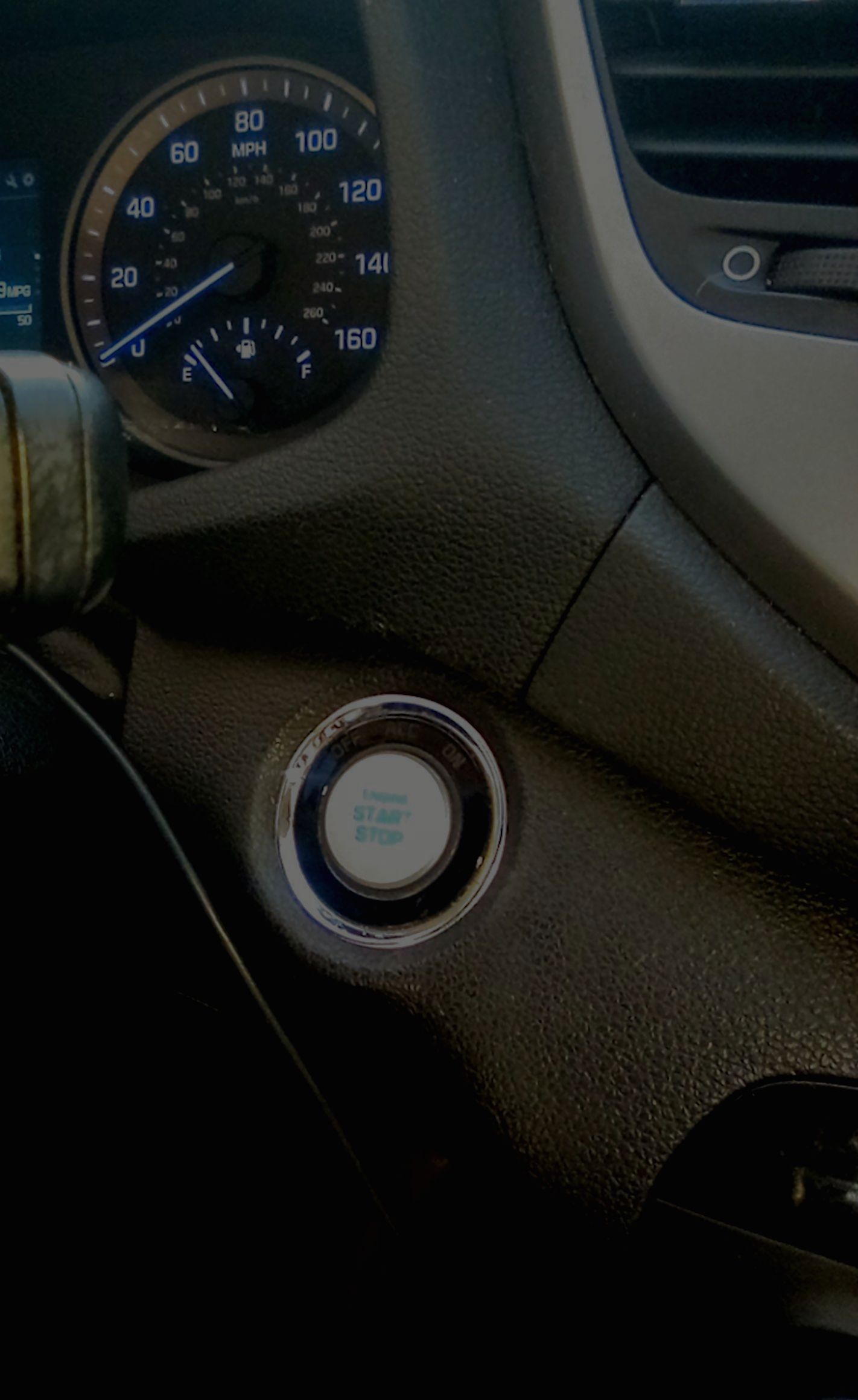
The gauges return when you restart, then disappear halfway through the next drive. By the time you get to the shop, the display sometimes looks perfectly normal.
An intermittent cluster needs the failure story along with electrical tests. A loose connection and an internal display fault can cause similar blackouts, but they don't require the same repair. Timing helps us decide where to start.
Does the Cluster Fail Cold, Hot, or Over Bumps?
Heat changes electrical connections and how a damaged circuit behaves. Vibration sometimes interrupts a loose terminal. If a display fails after a warm drive, check it under those conditions rather than only during a cold start in the parking space. Tell us how long it takes to go dark and what makes it return. A restart, cooling period, or road bump each adds information. Don't deliberately hit rough pavement to reproduce it; describe the trips where it already happened.
Separate a Black Screen From Missing Backlighting
The gauges sometimes still work while their illumination fails. Other cars lose the whole electronic display, including speed and warning information. Those complaints need to be identified separately.
Check brightness controls and display settings while parked, using the owner's manual. If the correct setting doesn't restore it, we'd inspect the lighting command or cluster power according to the design. The center entertainment screen is a separate assembly, so specify which display failed instead of reporting every screen issue as the dashboard.
Power and Ground Come Before a Replacement Panel
We'd check the cluster's required supplies, grounds, fuses, and connectors. A connection can pass a quick continuity test but lose voltage under load. Testing during the failure is especially valuable.
If several accessories fail at the same moment, we'd review their shared feed or ground path. A cluster that works when its supply returns has given us a reason to trace that supply. Replacing the display before those checks risks leaving the interruption exactly where it was.
Recent Work Sometimes Explains the Timing
Mention if the blackout began after:
- A battery replacement or jump-start
- Dashboard or steering-column work
- An accessory or audio installation
- A water leak inside the cabin
- A collision or work near the wiring
- Another electrical warning or charging problem
- A fuse that has blown more than once
The sequence helps us inspect anything disturbed or overloaded before assuming the cluster has worn out on its own. Bring the earlier invoice, if you have it.
Data Network Faults and Missing Gauges
The cluster uses information from senders and other control modules. A fuel reading, engine temperature, or speed signal can disappear while the display's electronics stay powered.
We'd scan the affected modules and compare their communication and live information. A fault at the data source needs a different repair from a broken network wire or failed cluster. Several messages appearing together often make more sense when their shared connection is checked instead of treating each warning as a separate replacement part.
Water and Connector Damage
A leak near the windshield, dashboard, or other cabin opening sometimes allows moisture to reach wiring or electronics. Corrosion then changes a connection long after the carpet appears dry. We'd inspect the affected area and trace the water route based on the history. Repairing a connector while leaving the leak active exposes the repair to the same moisture. Don't keep drying the visible surface and assume the electrical area is protected. The entry path needs to be corrected with the damaged wiring or display.
When the Cluster Needs Repair or Replacement
Internal board or display damage is sometimes the cause after the external circuits are confirmed. The available service options depend on the exact assembly and vehicle.
A replacement may require configuration, coding, and proper handling of stored vehicle information. Matching the outside shape is insufficient. We'd explain the compatible repair or replacement option and the finishing procedures before the job proceeds. The final check should confirm gauges, warnings, and the functions affected by the original blackout.
Is It Safe to Drive With the Cluster Out?
If it fails on the road, move to a safe, separated stopping place when you can do so under control. You might have lost speed, temperature, or warning information needed to judge the car's condition. If the engine also stalls or steering and braking change, report that immediately when requesting assistance.
Arrange transport when the display remains unavailable, or the car isn't operating normally. A phone speed app doesn't restore the missing warning lamps or tell you what the engine is doing. The car needs its normal information restored before routine use.
How to Help Us Find an Intermittent Blackout
Keep fault information stored and note the time, trip, weather, and accessories operating. A parked photo or passenger observation sometimes captures what the driver couldn't safely record.
We'd combine that history with the electrical checks and verify the repair under the conditions that produced the fault. A brief return of the gauges after reconnecting something isn't the entire verification. The supply and display need to remain stable.
Instrument Cluster Repair at TRC Automotive
TRC Automotive in Belmont, NC, can check an intermittent dashboard blackout and compare the display's power, connections, and data. Tell us what triggers the failure and return, along with any recent wiring work or water leaks.
Contact
TRC Automotive to schedule instrument cluster testing.