Vehicles are a major investment, and repairs at the auto shop can easily become expensive. Fortunately, there are several easy do-it-yourself maintenance tasks that car owners can complete themselves to avoid an unnecessary and costly
auto repair that can arise over time.

- Tire Pressure: Make it a habit to visually inspect your tires every time you drive. Watch for visible shifts during seasonal changes, as temperature increases will result in the raising of tire pressures. To prolong the life of your tires, aim to check the pressure with a tire gauge once a month and before taking long trips or carrying weighty loads. Make sure to carry a spare and check its pressure for emergencies.
- Oil & Coolant: Monitoring these essential engine fluids is a great way to avoid an expensive auto repair. When your engine is cool, open the hood of the car to check the dipstick levels. Add more fluids if they are low. Change the oil regularly at the manufacturer-suggested mileage interval, either by yourself or at the shop.
- Exterior Lights: Some of the most important safety features on your vehicle are the head lights, brake lights, turn signals, and parking lights, which help prevent collisions from both front and back. Periodically check them from a safe, parked location to make sure they are working properly. If a bulb is out, get a replacement.
- Wiper Blades & Washer Fluids. To ensure effectiveness, windshield wiper blades need to be replaced every 6 to 12 months. Measure each wiper to find the correct replacement size or check your manual. Check and fill your washer fluid tank occasionally so you have the ability to cut through pollen, grime, or other substances that can obstruct your view while driving.
With these simple checks, you can prolong the life of your vehicle while
preventing an avoidable auto repair and maximizing the safety and performance of the car.

TRC Automotive in Belmont, NC, shares seven maintenance tasks to handle before the school year begins.
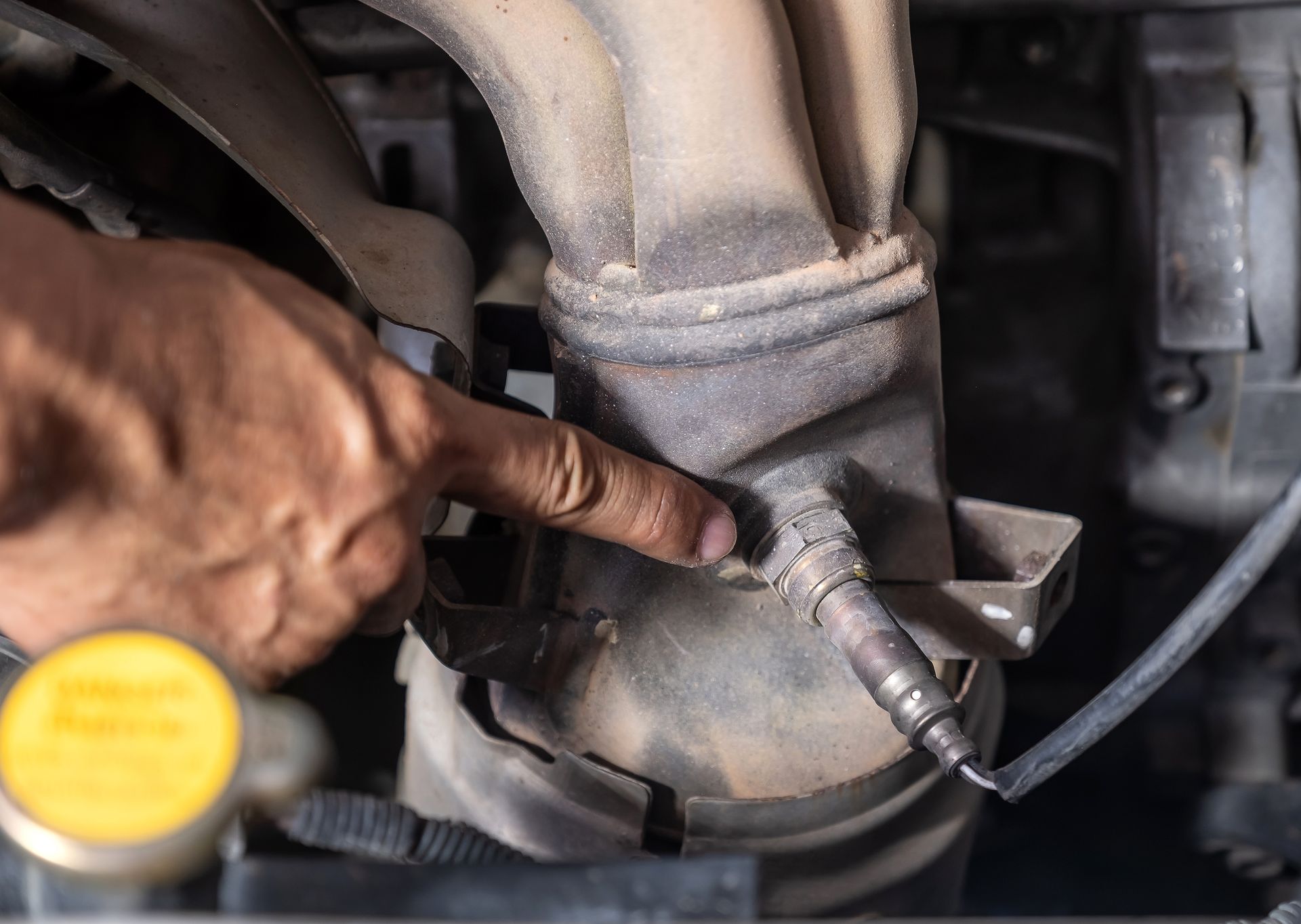
TRC Automotive in Belmont, NC, explains what an oxygen sensor does and how it affects engine performance.
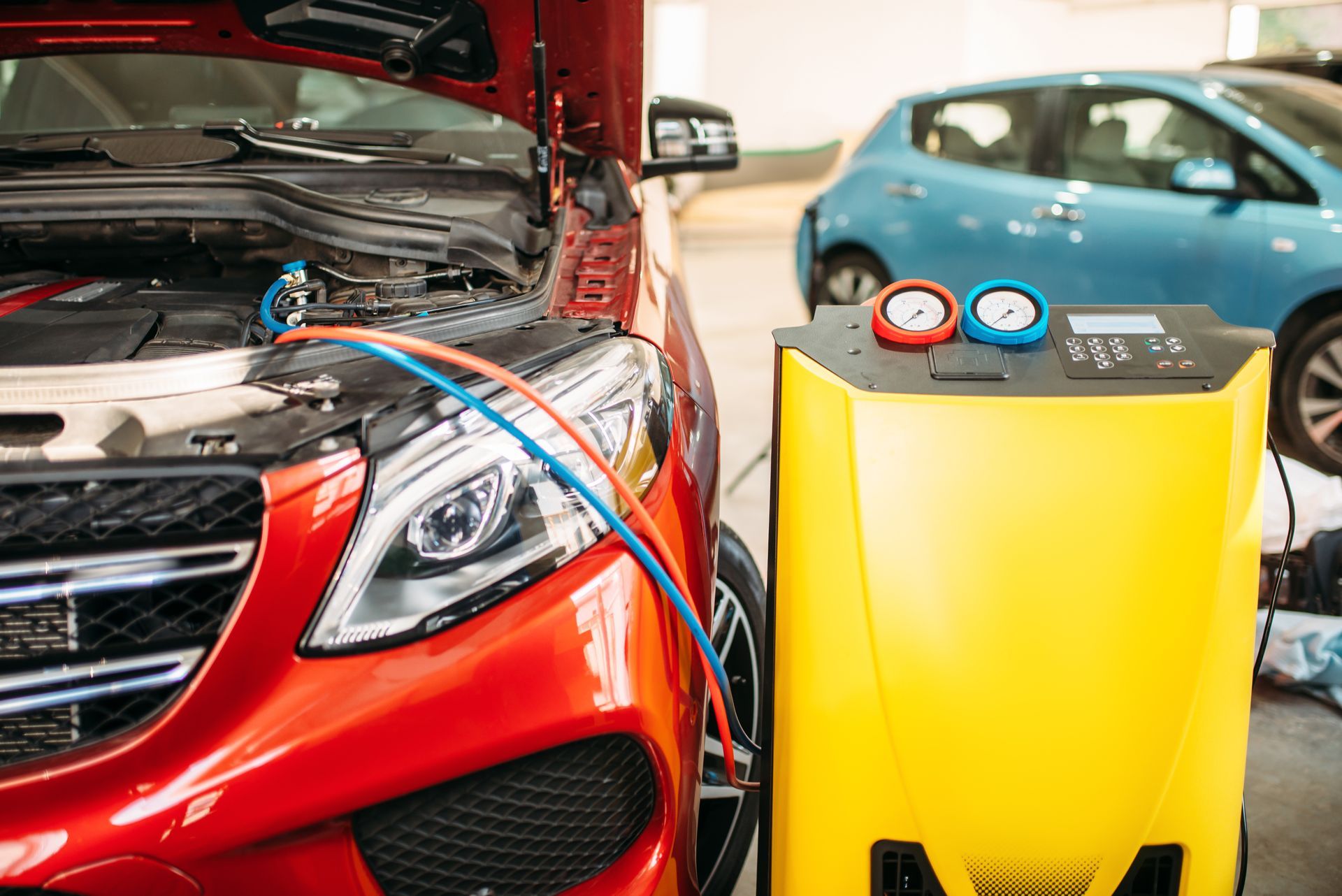
If your car A/C doesn’t feel cold, learn the most common causes, what weak cooling can mean, and when it’s time for an inspection from TRC Automotive.
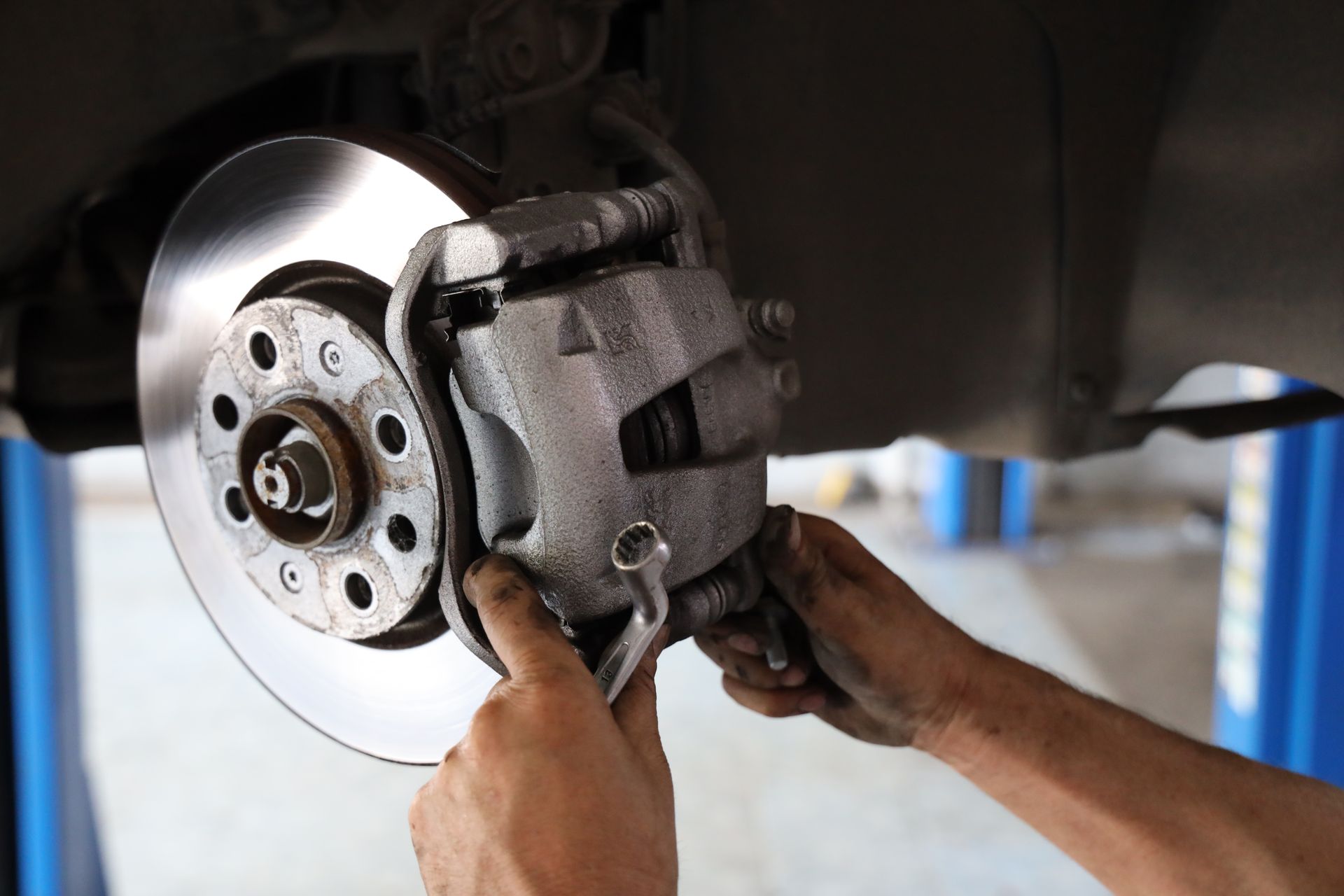
TRC Automotive in Belmont, NC, explains how to tell when brake pads and rotors are worn out.

Getting ready for Memorial Day? Learn how to beat the holiday traffic and avoid a breakdown with TRC Automotive's guide to smart timing and pre-trip maintenance.
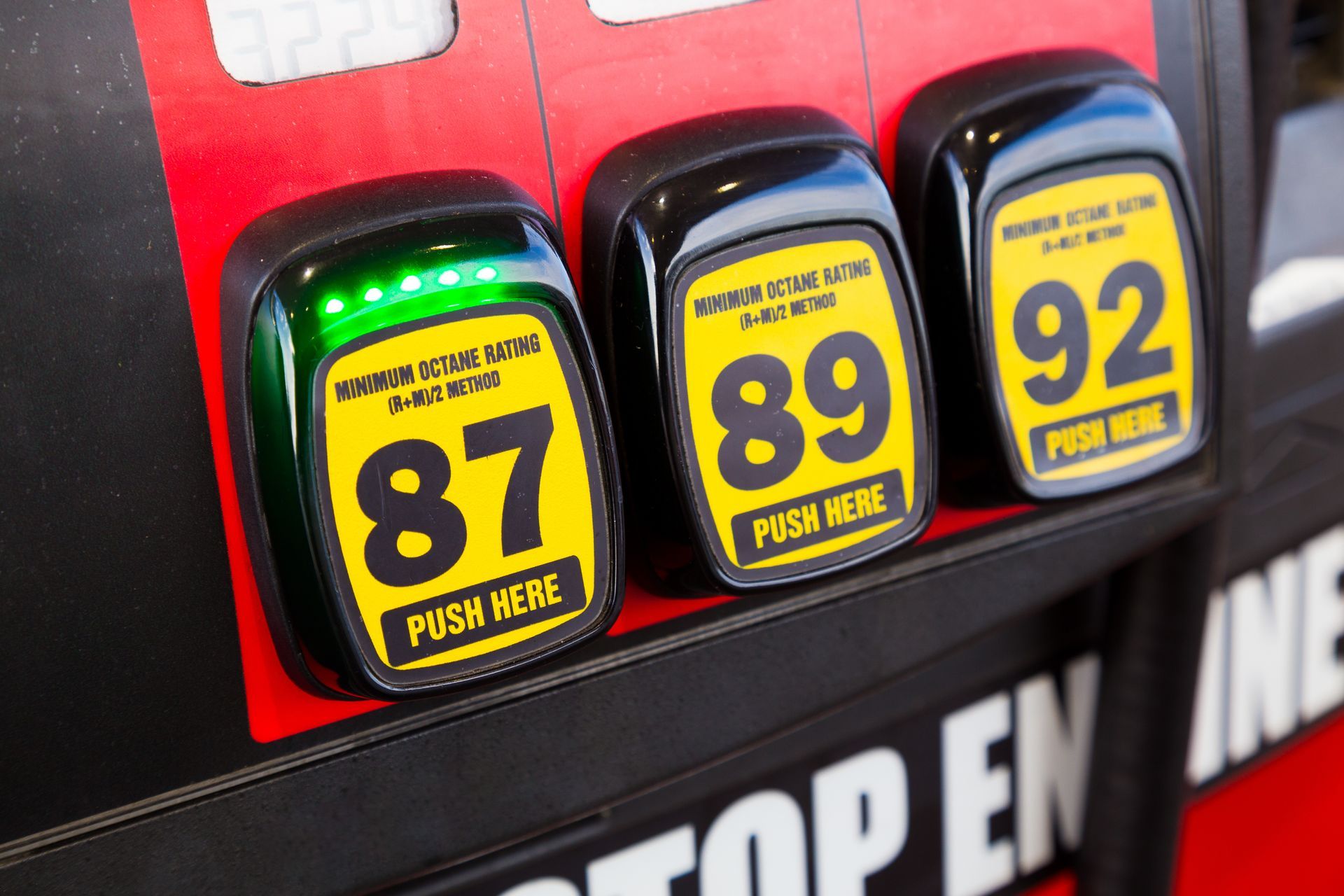
TRC Automotive in Belmont, NC, explains what drivers often get wrong about fuel grades and whether premium is really better.
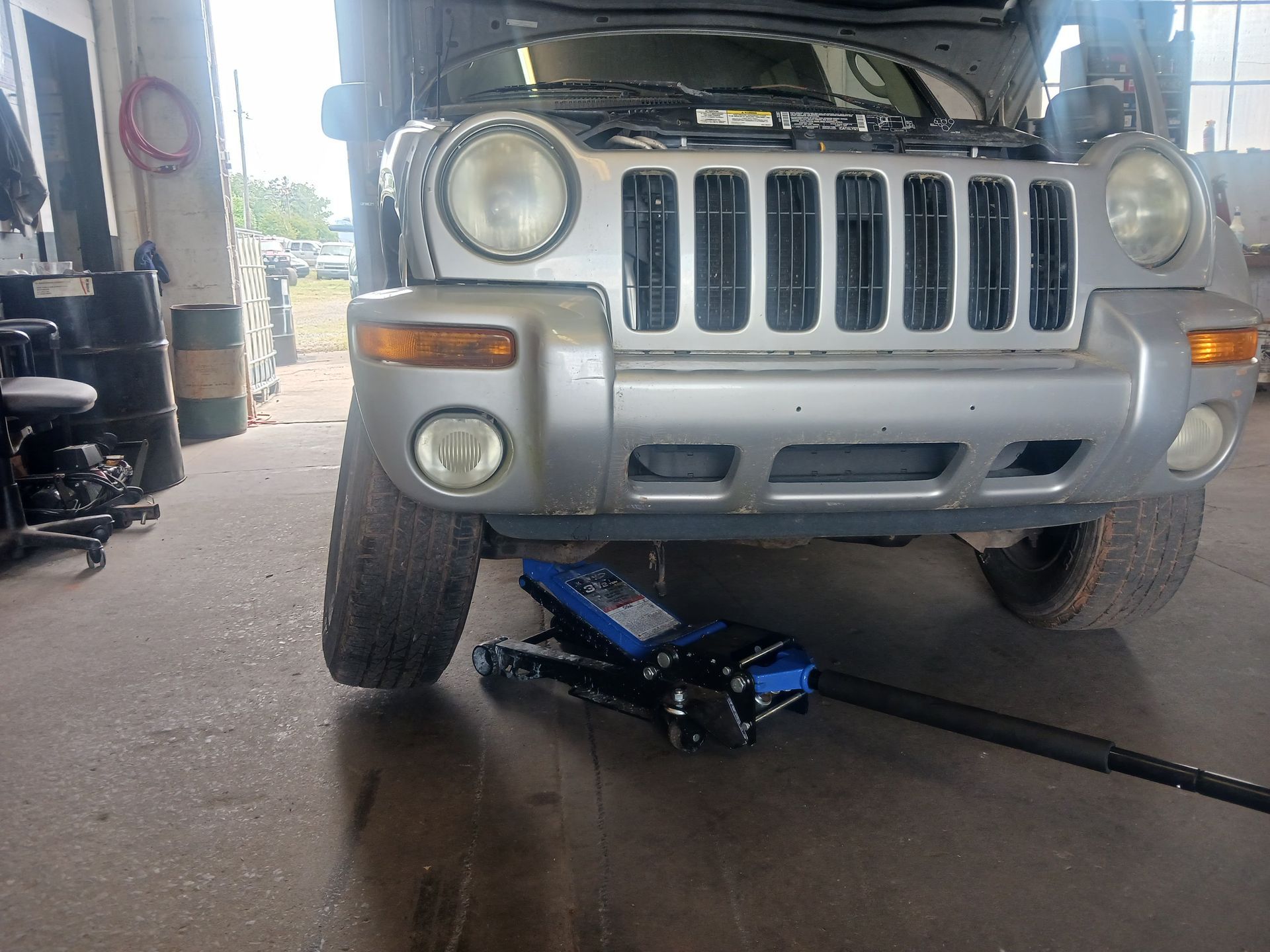
Stay safe and save on repairs with expert car care tips, diagnostic guides, and maintenance advice from the team at TRC Automotive in Belmont, NC.
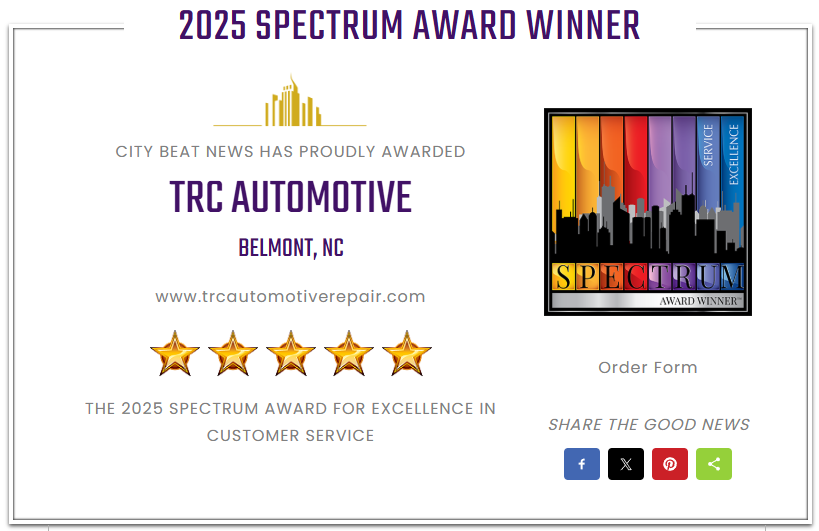
Awards can feel like fluff if they do not connect to your day-to-day experience. In auto repair, what most drivers really want is simple: a shop that listens, explains what matters, and does the work right without turning it into a drawn-out mess. So when a customer-service award comes up, it should mean something practical, not just a plaque on the wall. The Spectrum Award for Customer Service is one of those recognitions that is tied to customer satisfaction, not sales volume or flashy marketing. Here is what it is, how it is earned, and what it should mean for you when you bring your vehicle in. What The Spectrum Award Recognizes The Spectrum Award is a customer satisfaction recognition presented by City Beat News. The idea is to spotlight businesses that consistently deliver strong service experiences for their customers, not just a one-time great interaction. It is awarded annually, which matters because consistency over time is what separates a solid shop from a lucky week. For drivers, that focus is a good sign. It points to how people are actually treated, how communication goes, and whether the shop handles problems responsibly when things get complicated. How Businesses Earn The Award The award is tied to a rating system that looks at customer satisfaction data and patterns. The intent is to filter out obvious bias and focus on repeatable indicators of service quality. In plain terms, it is meant to reflect how customers experience the business, not how loudly the business talks about itself. In 2025, we were honored to receive this award, and we take that seriously. It is not a finish line. It is a reminder that the way we treat people has to stay sharp on the busy days, not just when everything is easy. Why Customer Service Matters In Auto Repair Auto repair is stressful when you feel out of the loop. Most people do not mind paying for a necessary repair, but they do mind surprises, vague explanations, or being talked into something they do not understand. Good customer service in a shop means you know what is being recommended and why, and you are not pressured into panic decisions. It also means the shop respects your time. Clear scheduling, realistic timelines, and updates you do not have to chase down are part of what makes the whole process less frustrating. What This Means For Your Visit A customer satisfaction award should translate into a predictable experience . You should expect a conversation that starts with your symptoms and your goals, not a generic sales pitch. You should also expect options when there is more than one reasonable path, along with the tradeoffs explained in plain language. It should also mean follow-through. If a shop says it will call you with an update, it should happen. If something changes mid-repair, you should hear about it before the bill is finalized, not after. How We Keep The Experience Consistent Consistency comes from doing the basics well, every time. That includes listening carefully, documenting what we find, and explaining the plan in a way that makes sense. It also includes a straightforward inspection process so we are not guessing at the cause of a problem or throwing parts at it. We also try to keep recommendations grounded. If something can wait, we should say so. If something is time-sensitive, we should explain what could happen if it is delayed, without turning it into scare tactics. Where Regular Maintenance Fits In The biggest customer-service win is preventing emergencies whenever possible. Regular maintenance helps reduce breakdowns, protects expensive components, and keeps small issues from piling up into a bigger repair list all at once. It also gives you more control, because you are choosing the timing instead of getting forced into it by a failure. A good shop will help you prioritize, not overwhelm you. That means focusing on what affects safety and reliability first, then building a plan that fits your driving habits and your budget. Get Customer-Focused Auto Repair In Belmont, NC With TRC Automotive If you want a service that puts clear communication and solid workmanship first, the next step is to book an appointment so it’s handled correctly. Schedule service with TRC Automotive in Belmont, NC, when you’re ready to stay ahead of repairs and keep your vehicle dependable without the runaround.
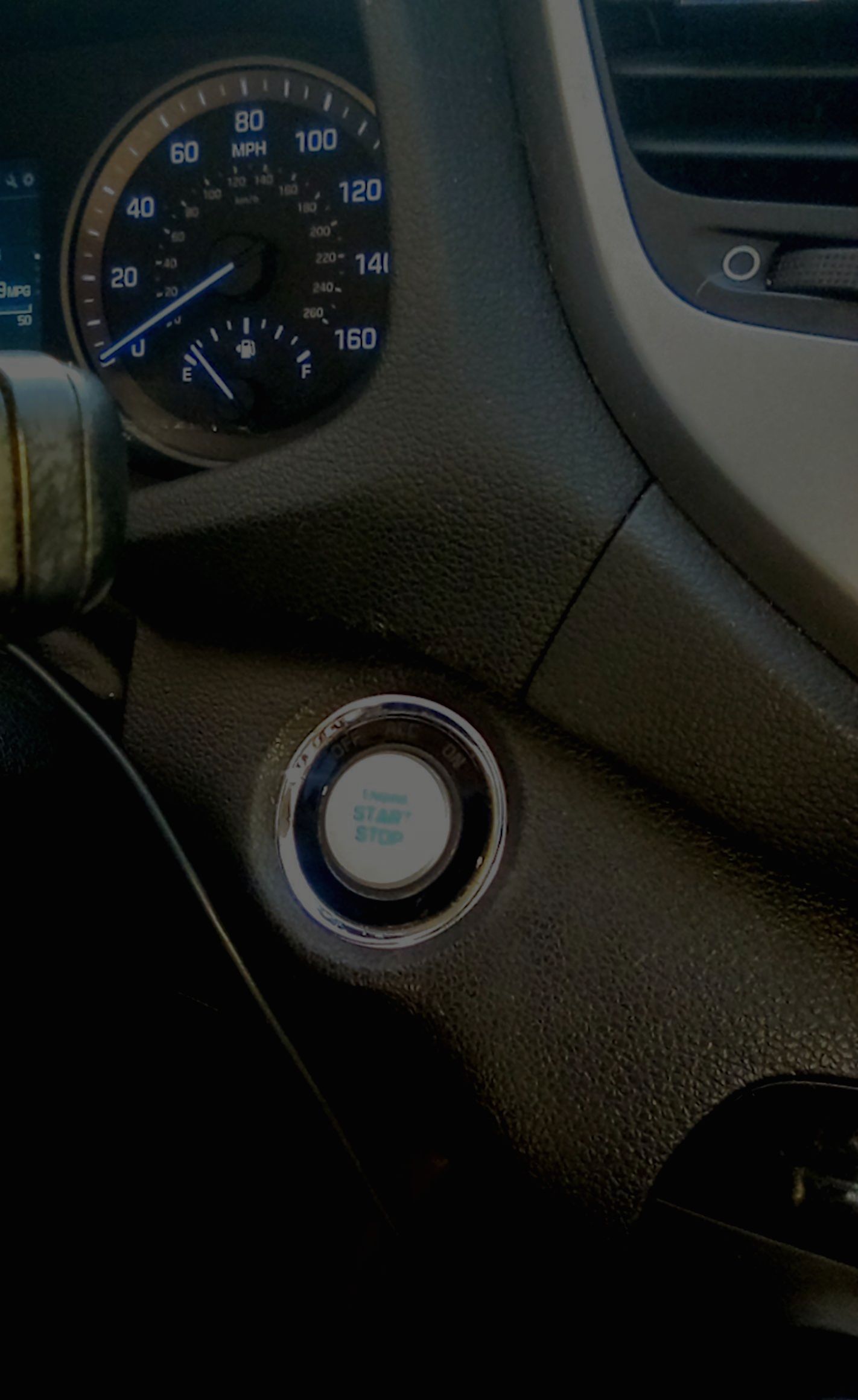
You’re ready to head out the door, but when you turn the key or press the start button, your car just won’t budge. A car refusing to start is a common problem, but it doesn’t always mean you’re facing a major repair. In this blog, we’ll walk you through some common reasons your car won’t start and share easy tips to get you back on the road in no time.
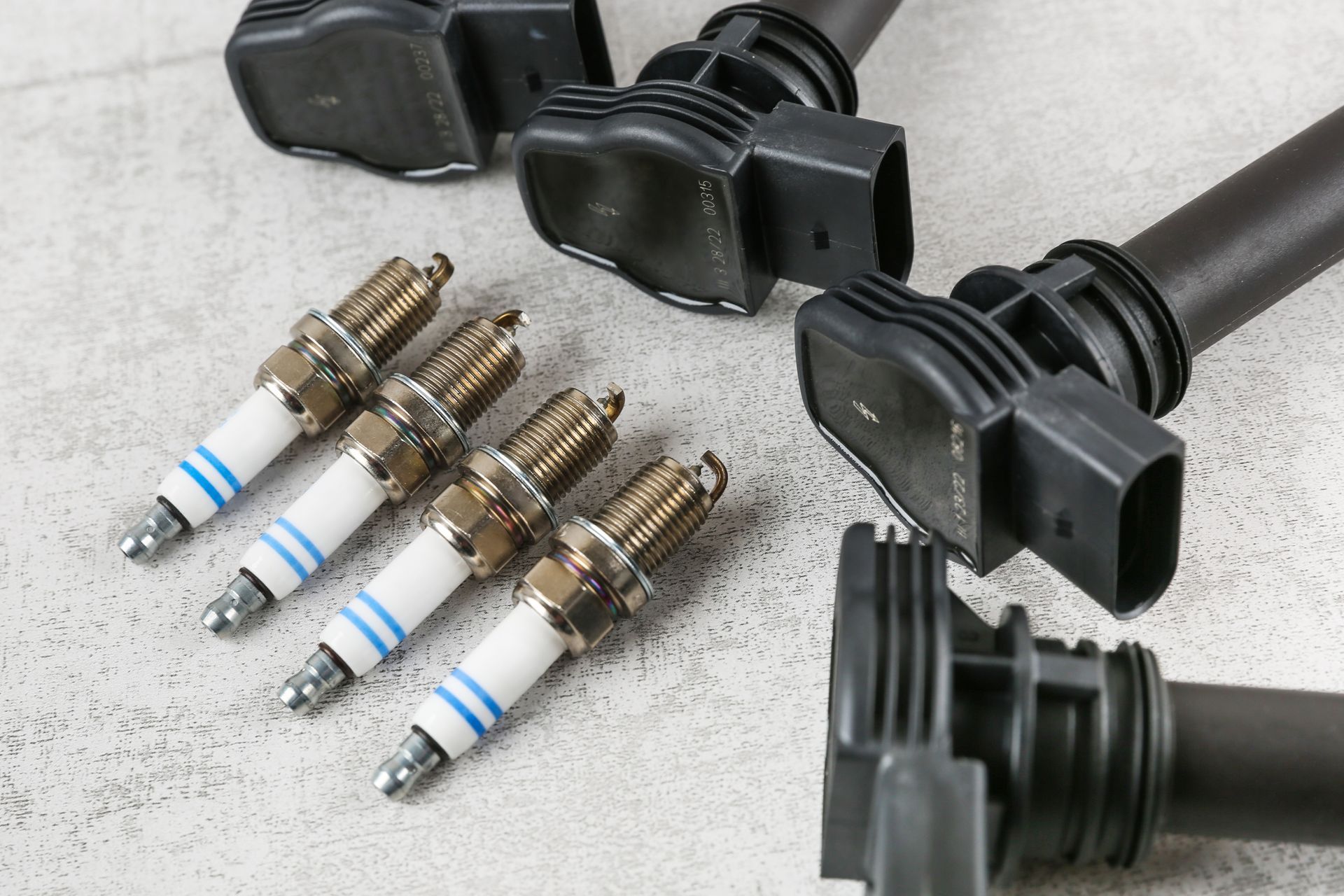
TRC Automotive in Belmont, NC, explains how to tell whether a spark plug or ignition coil is causing misfires, focusing on symptom patterns and diagnostic steps.
